
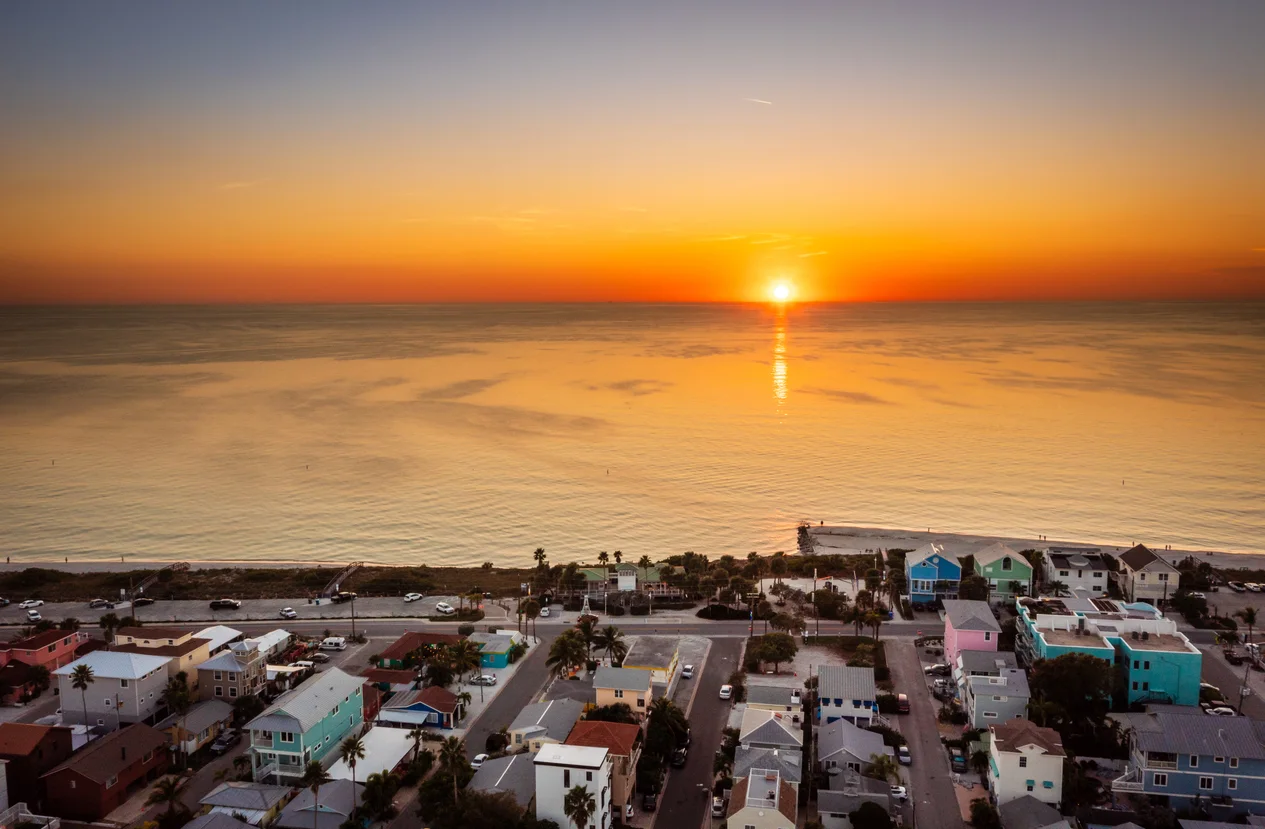
Some of the most desirable building sites in St. Pete are not open lots at all; they are properties with an existing, often older, structure in a neighborhood that has been settled for the better part of a century. St. Pete Infill Lot Home Construction comes with a set of requirements that simply do not apply to new construction on an undeveloped parcel, and a St. Pete Home Builder who has not navigated this process before can significantly underestimate what it actually involves.
This guide covers what infill construction in an established St. Pete neighborhood requires: the city’s tree preservation requirements and how they affect site planning, historic district considerations for properties inside protected areas, demolition permitting for removing an existing structure, how narrow or irregular lot dimensions shape design options, and how these approvals should be sequenced before design work goes too far in one direction.
Why St. Pete Infill Lot Home Construction Is a Different Category of Project
Building on an established, previously developed lot is fundamentally different from building on raw land, even when the zoning designation looks identical on paper. A St. Pete Home Builder working on an infill project has to account for mature tree canopy, existing structures that may carry historic or demolition review requirements, and neighborhood context that does not exist on an open parcel in a newer subdivision.
This distinction matters because homeowners sometimes approach an infill project with a design concept and schedule more appropriate to open-lot construction, without accounting for the additional review layers that can come with building inside an established neighborhood.
A builder experienced with infill projects specifically will set realistic expectations early rather than letting a homeowner discover these requirements once the project is already underway.
Homeowners considering this type of property can also review Axelle Builders’ experience with custom home building in St. Pete before committing to a design concept or construction timeline.
The Tree Preservation Ordinance and What It Means for Site Planning
St. Pete regulates protected trees, including certain trees that qualify as grand trees based on applicable species and size standards, and tree conditions can directly affect site planning.
A tree survey should be completed early in the process so the project team understands which existing trees may affect the proposed building footprint, driveway, garage, pool, utilities, and construction access.
This requirement can shape the buildable footprint significantly once zoning setbacks and other site constraints are considered together.
A builder experienced with tree preservation requirements can work with the architect to design around mature canopy creatively, in many cases turning established trees into defining features of the finished landscape rather than treating them only as obstacles.
Demolition Permitting for Existing Structures
Before new construction can begin on an infill lot with an existing structure, that structure typically needs to move through the applicable demolition permitting process.
The project team should determine early whether the existing structure sits within a historic district, is locally designated, or has another status that could affect demolition review, since those conditions may add steps before removal can proceed.
Environmental and utility considerations should also be addressed before demolition. Existing service connections, hazardous materials where applicable, site protection, and demolition documentation can all influence the pre-construction timeline.
Sequencing demolition correctly, rather than treating it as a quick formality before the “real” project begins, helps prevent early delays from affecting the rest of the construction schedule.
Historic Districts and Neighborhood Character Review
Several of St. Pete’s established neighborhoods include locally or nationally recognized historic resources, and projects involving designated properties may require additional review beyond standard building permitting.
The design implications can extend to massing, exterior materials, architectural detailing, and how new construction relates to its surrounding streetscape.
A builder unfamiliar with a particular property’s historic status can advance a design concept only to discover later that additional preservation requirements apply.
Direct experience with these neighborhoods helps the project team identify those conditions before substantial design work is committed.
Working With Narrow or Irregular Lot Dimensions
Many infill lots in St. Pete’s older neighborhoods were platted decades ago. As a result, some lots are narrower or more irregular than lots in newer communities.
Builders must account for these conditions during design. Setbacks, mature trees, access requirements, and other constraints can further reduce the buildable area. This is where design creativity becomes essential rather than optional.
More vertical floor plans, carefully positioned garages, altered circulation, and efficient outdoor-space planning can help maximize livable space within a constrained footprint without automatically relying on variance requests that could add uncertainty to the project.
Utility and Infrastructure Considerations on Older Lots
Infill lots in established neighborhoods can carry aging utility infrastructure, older sewer lateral connections, or drainage conditions shaped by decades of surrounding development.
These conditions should be investigated during site evaluation rather than assuming infrastructure serving an older property will automatically meet the needs of a new custom home.
In some cases, utility upgrades or drainage work becomes part of the project scope.
Identifying those conditions early is considerably less disruptive and expensive than discovering them after demolition or construction has already begun.
How a St. Pete Infill Lot Home Construction Project Should Be Sequenced
A well-organized infill project starts with site due diligence. Review existing trees, zoning, lot dimensions, utilities, and any historic or preservation requirements.
Coordinate demolition permitting with the new construction schedule. This allows the design team to work with a clear understanding of the site’s actual constraints.
The City of St. Petersburg states that demolishing a structure that supports a roof load requires a permit. It also notes that properties within locally or nationally designated historic districts may require additional permits. City permitting guidance provides the current framework for confirming those requirements.
The City also maintains dedicated historic-preservation mapping that identifies local landmarks, National Register landmarks, local historic districts, National Register districts, and contributing resources. Reviewing those records early helps determine whether preservation considerations need to be incorporated into the project timeline.
This sequencing conversation is worth having explicitly during the earliest planning stages because it shapes not just the design itself but the realistic overall timeline a homeowner should expect.
Questions to Ask a St. Pete Home Builder About Infill Construction
Ask how the builder handles tree surveys and preservation requirements. Also ask whether the team has experience designing around established trees rather than assuming removal.
Ask whether the property lies within a local historic district. Confirm whether it is individually designated or has another preservation status. Then ask how that status affects the review process.
Also ask how demolition permitting is sequenced with new construction permitting. Find out what site, utility, or environmental documentation must be completed before demolition begins.
The City of St. Petersburg maintains permit data for residential construction, renovation, and other development activity. Review this information during early due diligence rather than waiting until construction documents are complete.
A St. Pete Home Builder with real infill experience should answer these questions with examples from comparable projects. General assurances about permitting are not enough.
Frequently Asked Questions About St. Pete Infill Lot Home Construction
What is a grand tree and why does it matter for my project?
St. Petersburg recognizes grand trees as a protected category based on species and size criteria. Protected trees can affect building placement, driveways, pools, and other site improvements. Document existing trees early so the design team can account for them from the start.
Does my property need to go through historic district review?
It depends on the property’s status. The City maintains mapping for local landmarks, National Register landmarks, local historic districts, National Register historic districts, and contributing resources. A project’s review requirements should therefore be confirmed against the specific parcel before design advances too far.
Can I demolish an existing home on my lot right away if I want to build new?
Not automatically.
The City’s permitting guidance states that demolition of structures supporting a roof load requires a permit. Historic properties or properties within designated districts can also carry additional review considerations.
Include the demolition timeline in pre-construction planning. Do not assume you can remove the existing structure immediately after selecting a replacement design.
Why are infill lots sometimes harder to design for than new subdivision lots?
Narrow or irregular lots can create design challenges. Mature trees and existing infrastructure can add further constraints. Established neighboring homes, historic considerations, and current setbacks can also reduce the available design envelope.
An experienced infill team can often find architectural solutions that work within those conditions without depending unnecessarily on variances.
Should I expect infrastructure issues on an older infill lot?
They are worth investigating rather than assuming modern conditions apply uniformly.
Older sewer connections, water-service conditions, drainage patterns, utility placement, and previous site improvements can all affect the scope. These should be evaluated during site due diligence rather than discovered mid-construction.
Building in St. Pete With Axelle Builders
Axelle Builders has spent more than 36 years designing and building custom homes across Southwest Florida. This includes projects on previously developed properties in established communities. Our approach to St. Pete Infill Lot Home Construction starts with the actual site constraints. We evaluate trees, historic status, demolition, lot dimensions, infrastructure, and required approvals before advancing the design.
If you are considering an infill project in St. Pete, ask each builder how they investigate these conditions. Do this before comparing design concepts. The strongest plan responds to the lot from the beginning. It does not rely on redesigns after site constraints emerge.
Considering an infill project in an established St. Pete neighborhood and want a team that understands the full pre-construction process? Contact Axelle Builders or call (941) 713-2303 to schedule a consultation.
Axelle Builders, 1960 Stickney Point Rd Suite 206, Sarasota, FL 34231. Serving St. Pete Beach, Sarasota, Siesta Key, Longboat Key, Casey Key, Manasota Key, Anna Maria, Holmes Beach, and the surrounding Southwest Florida coast.