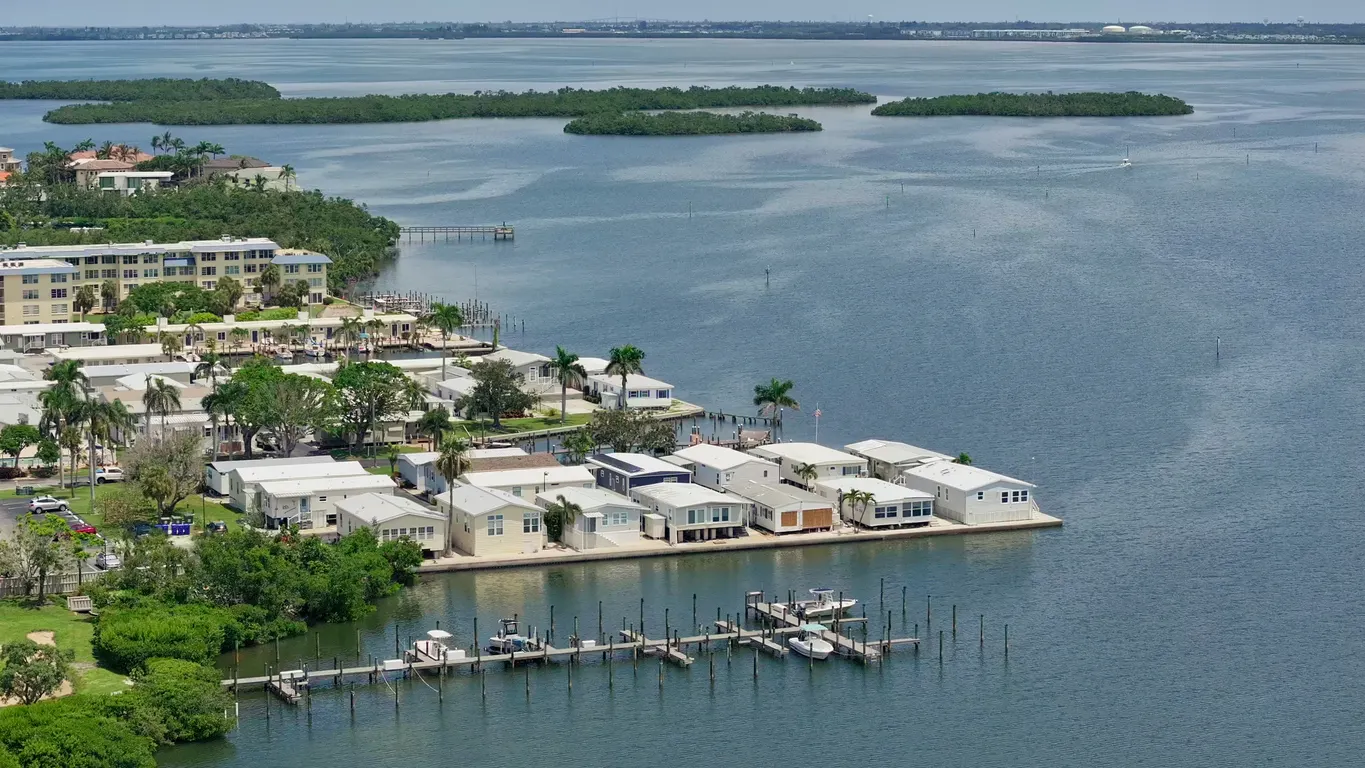
Longboat Key is narrow enough that a homeowner choosing between its two shorelines is really choosing between two different living experiences, not just two different views. Gulf-Front vs Bay-Front Homes Longboat Key can call for meaningfully different design approaches, construction details, and daily lifestyle patterns. A Custom Home Builder Longboat Key homeowners work with should be able to walk through these differences clearly before a site is chosen or a design concept is finalized.
This guide covers what actually distinguishes Gulf-front from bay-front building on Longboat Key: how wind and storm exposure can differ between the two shorelines, how view orientation and light patterns shape design decisions, how boating and water access considerations influence site choice, how landscaping and material selections respond to differing exposure, and how a builder should help weigh these tradeoffs against lifestyle priorities.
Why the Choice Between Gulf-Front and Bay-Front Matters More on Longboat Key Than It Might Elsewhere
Because Longboat Key is such a narrow barrier island, Gulf-front and bay-front properties can sit remarkably close to each other geographically while facing different environmental and lifestyle conditions.
Wind exposure, flood requirements, views, water access, and even the daily rhythm of light can vary from one property to another. These factors should be treated as genuine design variables rather than minor distinctions.
Homeowners sometimes approach the decision purely as a matter of view preference, Gulf sunsets versus bay sunrises, without fully appreciating how much the construction approach and lifestyle experience can differ beyond the view itself.
A thoughtful builder will walk through these practical differences early, helping a homeowner make an informed site decision rather than one based on scenery alone.
Homeowners comparing the two settings can also review Axelle Builders’ approach to custom home building on Longboat Key before choosing a property or finalizing a design direction.
Wind Exposure and Structural Differences Between the Two Shorelines
Gulf-front properties face more direct exposure to open Gulf conditions, while bay-front parcels can experience a different exposure profile based on their location, surrounding development, vegetation, and orientation.
Structural specifications should therefore be based on the actual design wind speed, exposure category, building geometry, openings, and engineering requirements for the individual parcel rather than applying a single generic specification based only on which shoreline the property faces.
Roof connections, opening protection, garage doors, structural systems, and exterior assemblies all need to be engineered as part of the complete home.
This distinction can affect construction cost, but the actual premium should be determined from site-specific structural engineering rather than assuming every Gulf-front property automatically requires the same upgrades compared with every bay-front property.
Flood Elevation and Foundation Considerations
Flood zone designation and required elevations can differ between parcels even when the lots are relatively close to one another.
That makes current flood information for the specific property far more useful than broad assumptions about Gulf-front versus bay-front locations.
Flood elevation can affect foundation type and finished-floor height directly, which in turn influences stairs, garages, entry sequencing, outdoor spaces, and the overall architectural approach.
For Gulf-Front vs Bay-Front Homes Longboat Key, these site-specific conditions should be modeled early, before a homeowner becomes committed to a floor plan that may be difficult or expensive to adjust later.
View Orientation and the Daily Experience of Light
Gulf-front homes typically offer dramatic sunset views, with primary living spaces and outdoor areas often oriented toward the western horizon.
Bay-front homes can create a different daily rhythm, including morning light, Intracoastal or bay views, and a different relationship between outdoor living areas and the water.
These distinctions meaningfully affect window placement, outdoor living orientation, interior layout, shading, and how different spaces are used throughout the day.
Shading strategy also matters. Western exposures often require careful solar control through overhangs, glazing specifications, exterior shading, or other design measures, while east-facing spaces present their own morning-light considerations.
Rather than applying the same glazing and shading strategy to every site, the design should respond to the actual orientation and view priorities of the individual property.
Boating Access and Water Activity Considerations
For homeowners who prioritize boating, bay-front properties can offer direct access to bayside and Intracoastal waterways. However, access depends on the specific parcel, water depth, dock configuration, navigation route, and permitting requirements.
Gulf-front living offers a different relationship with the water and beach. Consider how often you plan to boat, swim, access the beach, entertain outdoors, or use a private dock.
This is a lifestyle decision, not just an aesthetic one. A builder familiar with both shorelines can help compare view preferences with practical water-access needs. This can help ensure the property supports how your family plans to use it.
Landscaping and Material Durability Differences
Salt exposure, wind, sun, water, and shoreline conditions affect both landscaping and exterior material durability over time.
Plantings should be selected for the actual exposure conditions of the property, while exterior metals, coatings, fasteners, glazing systems, doors, and other materials should be specified with long-term coastal performance in mind.
This is a detail that affects maintenance expectations as much as initial installation.
A property receiving direct salt spray may demand a different landscape and material strategy from a more sheltered site, which is why a generic coastal palette should not automatically be applied to every Longboat Key property.
How Gulf-Front vs Bay-Front Homes Longboat Key Should Be Compared
A transparent builder should compare Gulf-front and bay-front properties using specific site information and lifestyle priorities.
The comparison should cover structural engineering, flood elevation, foundation requirements, boating access, and orientation. It should also address outdoor living, material exposure, maintenance, and overall development costs. Review these factors side by side before choosing a property.
The Town of Longboat Key’s Building Division notes that the island is a coastal high-hazard area and requires construction to address both wind and flood conditions. The Town currently implements the Florida Building Code and FEMA standards through its building review and permitting process. Homeowners can review the Town’s Building Division guidance when evaluating the construction implications of a specific parcel.
For Gulf-side properties, another consideration may be Florida’s Coastal Construction Control Line. The Florida Department of Environmental Protection explains that the CCCL establishes the landward limit of its coastal construction jurisdiction along sandy beaches and that regulated construction seaward of the line can require additional state review. The state’s CCCL mapping resources can help identify how the line relates to a specific property.
In many cases, homeowners who walk through the full comparison discover that their practical priorities point toward a different shoreline than their initial instinct suggested.
Questions to Ask a Custom Home Builder Longboat Key Before Choosing a Site
Ask how structural requirements and associated costs differ between the specific Gulf-front and bay-front parcels you are considering rather than asking for a general island-wide comparison.
Ask the builder to review current flood information and required elevations for each property. Also ask how foundation strategy, finished-floor height, outdoor living, and overall architecture will respond to those requirements.
Longboat Key’s flood guidance distinguishes between A-zone, V-zone, and properties seaward of the Coastal Construction Control Line. Elevation requirements can vary by site. Verify the requirements for each parcel before comparing designs or budgets.
If boating is central to your lifestyle, ask how dock configuration, navigation, water depth, exposure, and permitting differ between the properties.
Also ask how site exposure affects landscaping and exterior materials. Salt, wind, sun, and water can influence those recommendations.
A Custom Home Builder Longboat Key clients can trust should answer these questions with site-specific details. General statements about the island are not enough.
Frequently Asked Questions About Gulf-Front vs Bay-Front Homes Longboat Key
Does Gulf-front construction really cost more than bay-front construction?
It can, but it should not be treated as an automatic rule.
Structural cost depends on the specific property and design. Wind exposure, engineering, foundation requirements, flood conditions, building geometry, glazing, openings, and materials can all affect the cost.
The Town of Longboat Key notes that barrier-island construction must meet stringent wind and flood criteria. These include requirements for coastal high-hazard conditions.
Are flood elevation requirements the same across the island?
Not necessarily.
Longboat Key’s flood guidance identifies different requirements for A zones, V zones, and properties on the seaward side of the CCCL. Evaluate each property using current flood information and applicable local requirements. Do not assume one elevation standard applies across the entire island.
Which side of the island is better for boating?
That depends on the homeowner’s boating habits and the specific property.
Bay-front living may provide more direct access to bayside and Intracoastal waterways, but dock feasibility, water depth, navigation, permitting, and exposure need to be evaluated for the individual parcel.
The “better” shoreline is the one that aligns more closely with how the homeowner actually intends to use the water.
Do landscaping needs really differ that much between Gulf-front and bay-front lots?
They can.
Direct salt spray, wind exposure, sun orientation, drainage, and soil conditions can differ significantly from one parcel to another. Plantings and exterior materials should therefore be selected around the specific site’s exposure rather than simply labeled “coastal.”
Should view preference be the main factor in choosing between Gulf-front and bay-front?
It is an important factor, but not the only one.
Structural design, flood elevation, foundation strategy, boating access, sunlight, outdoor living orientation, coastal permitting, maintenance, and long-term material exposure can all affect the decision.
A complete comparison should consider both the experience of living on the property and the practical implications of building there.
Building on Longboat Key With Axelle Builders
Axelle Builders has spent more than 36 years designing and building custom homes across Southwest Florida’s coastal communities, including Longboat Key.
When evaluating Gulf-Front vs Bay-Front Homes Longboat Key, we help homeowners look beyond the view. We compare the structural, environmental, architectural, and lifestyle factors of each property.
If you are comparing a Gulf-front site with a bay-front site, ask each builder to review the actual parcels. Avoid broad assumptions about either shoreline. Compare the properties based on their specific characteristics. Consider your views, boating habits, outdoor living priorities, and design goals. Also consider maintenance expectations and your overall construction budget. Choose the property that best fits these priorities.
Comparing Gulf-front and bay-front sites and want an experienced team to help evaluate the real tradeoffs? Contact Axelle Builders or call (941) 713-2303 to schedule a consultation.
Axelle Builders, 1960 Stickney Point Rd Suite 206, Sarasota, FL 34231. Serving Longboat Key, Sarasota, Siesta Key, Casey Key, Manasota Key, Anna Maria, Holmes Beach, St. Pete Beach, and the surrounding Southwest Florida coast.