
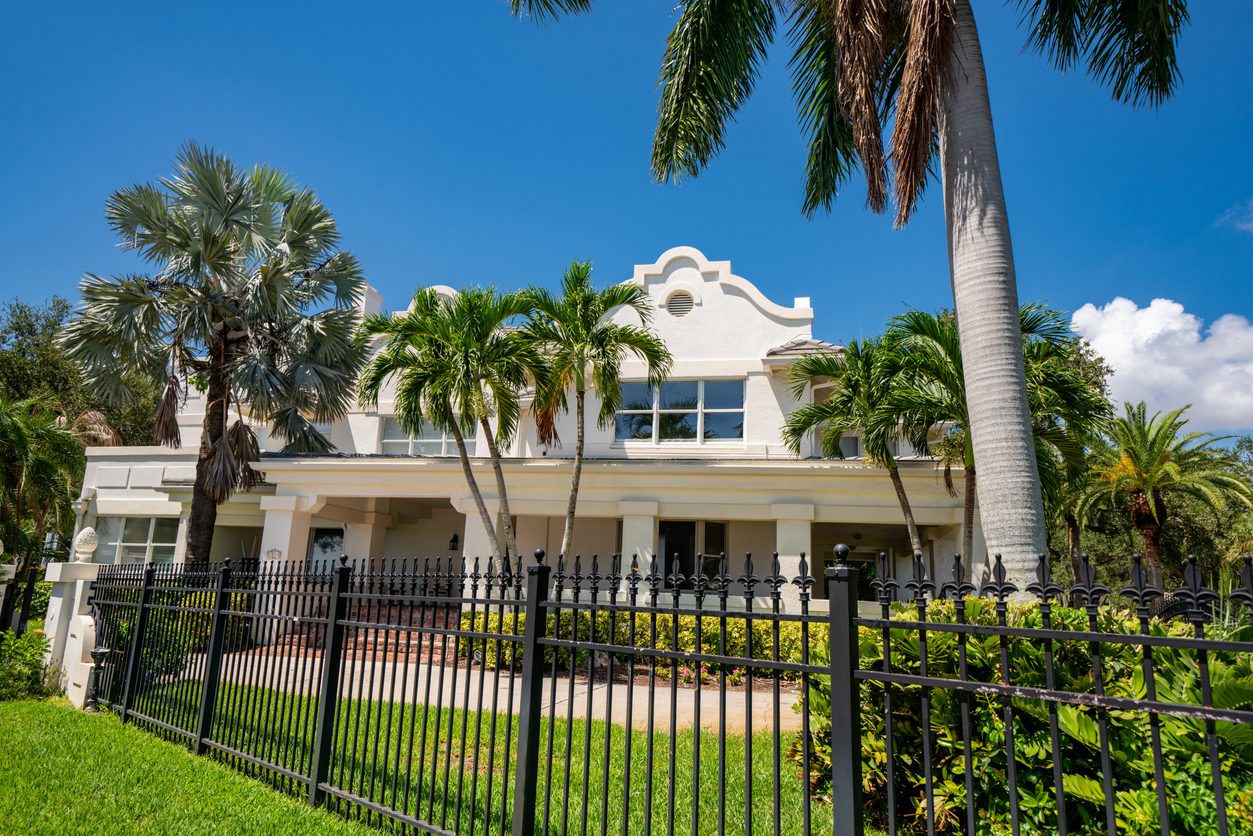
Financing a custom home is a different process than financing the purchase of an existing house, and most homeowners discover that gap only after they have already started shopping for a lender. A construction loan works nothing like a standard mortgage, and the way money moves during the build directly affects how a project actually gets built. An experienced builder should be able to explain this process clearly, not leave it entirely to the bank.
This guide covers how construction financing actually works: the difference between a construction loan and a permanent mortgage, how a lender’s draw and inspection process interacts with the builder’s draw schedule, how appraisals work for a home that does not exist yet, what a realistic contingency budget should look like, and how a builder should coordinate with your lender throughout the project.
Axelle Builders has worked with construction lenders throughout Southwest Florida for more than 36 years. Review how we approach construction financing coordination in St. Pete before comparing other builders.
Why Financing Deserves the Same Scrutiny as Builder Selection
Homeowners often spend significant time vetting builders and comparing portfolios, contracts, and references, then treat the financing side as a formality handled entirely by the bank. That approach misses something important, since the structure of the loan directly shapes how the project unfolds, from how quickly funds are released to how much of your own capital needs to be available before the bank will disburse anything at all.
A team clients can rely on should be comfortable discussing financing basics even though they are not the lender, because the loan structure and the construction schedule are more connected than most homeowners expect. A builder who has been through this process many times can often flag financing issues before they become scheduling problems.
The same principle applies whether you are working in St. Pete or working with a Fort Myers home builder on a similar coastal project. Financing coordination is a core part of how experienced teams protect the schedule.
Construction Loans Versus Permanent Mortgages
A construction loan is fundamentally different from a standard mortgage. Rather than disbursing the full loan amount at closing, a construction loan releases funds in stages, tied to verified progress on the home, and the borrower typically pays interest only on the amount actually disbursed rather than the full committed amount. This structure protects the lender, but it also means cash flow during construction requires careful planning.
Most homeowners use a construction-to-permanent loan, which converts automatically into a standard mortgage once the home is complete, avoiding a second closing and a second round of closing costs. An experienced builder should understand this conversion process well enough to help coordinate the certificate of occupancy and final documentation the lender will require to trigger that conversion smoothly.
How a Lender’s Draw Process Interacts With the Builder’s Draw Schedule
This is where construction financing and construction management intersect directly. Lenders typically require their own inspection before releasing each draw, confirming a defined percentage of completion has actually been reached before funds move. A builder’s own draw schedule should align closely with the lender’s inspection milestones, so payment requests to the homeowner and disbursement requests to the lender are not working against each other on different timelines.
Misalignment here is a common source of cash flow friction during construction. If a builder’s draw request runs ahead of what the lender’s inspector is prepared to verify, funds can be delayed at exactly the moment they are needed to keep subcontractors paid and the schedule moving. A professional who proactively coordinates with the lender’s inspection process avoids these delays rather than discovering them mid-project.
Appraising a Home That Does Not Exist Yet
Custom home appraisals work differently than resale appraisals, since there is no existing structure to inspect. Lenders typically rely on the construction plans, specifications, and a projected completion value, often supported by comparable sales of similar finished custom homes in the area. A builder should be able to provide detailed plans and specifications that support a strong appraisal, since an appraisal that comes in below the project cost can create a funding gap the homeowner has to cover directly.
This is another reason detailed, specific contract documentation matters beyond simply managing the build itself. A vague scope of work makes it harder for an appraiser to support the target value, while a clearly specified set of plans, allowances, and finish levels gives the appraisal a stronger foundation to work from.
Contingency Budgeting: What a Realistic Number Actually Looks Like
Every construction financing St. Pete custom home budget should include a contingency reserve for unforeseen conditions, whether that is a site condition discovered during excavation, a material cost increase, or a change the homeowner decides to make once the project is underway. A reliable professional will recommend a specific contingency percentage based on the completeness of the drawings and the complexity of the site, rather than a generic industry rule of thumb applied without context.
It also matters where that contingency sits in the loan structure. Some lenders require a contingency reserve to be included in the total loan amount, while others expect the homeowner to hold it separately. This distinction should be clarified early, since it directly affects how much cash the homeowner needs available outside the loan itself.
Cost Per Square Foot: A Number That Needs Context
Homeowners often base their budget on a general cost-per-square-foot figure found online. However, site conditions, finish levels, and regional labor and material costs can change the actual cost significantly. A transparent team should explain what drives the cost per square foot for a specific project. This helps homeowners avoid unrealistic expectations from the start.
Coastal projects add further cost variability. Flood elevation requirements can affect foundation types. Wind-rated materials and site accessibility can also increase costs. Inland comparison figures often fail to account for these factors. The same applies to a Fort Myers home builder working in Lee County’s coastal zones. Post-Ian flood mapping updates have added further variability to per-square-foot cost modeling.
Questions to Raise With Your Lender and Builder Together
Ask how the builder’s draw schedule aligns with the lender’s inspection and disbursement process. Also ask whether this alignment has caused delays on past projects. Ask what contingency percentage they recommend for your project. Consider your drawing completeness and site conditions. And Ask how they support the appraisal process with documentation. Also ask what happens if the appraisal falls below the target construction value.
An experienced professional should address these questions directly and specifically. Ideally, include your lender in the conversation. This approach keeps financing connected to the construction relationship.
How Communication Between Builder and Lender Should Work
The most efficient projects often involve builders who communicate directly with the lender’s construction loan administrator. They handle this coordination proactively instead of leaving it entirely to the homeowner. Builders should submit draw documentation promptly. They should also respond quickly to lender inspection requests. Any timeline issues should be flagged early to prevent disbursement delays.
According to the Consumer Financial Protection Bureau, borrowers working with construction loans benefit significantly from advance coordination between builder, lender, and homeowner on draw schedules and inspection timelines, as misalignment is among the most common sources of cost overruns in custom construction financing.
Homeowners should ask about this coordination specifically during the vetting process, since a builder unfamiliar with construction lending processes can inadvertently create cash flow problems even when the actual construction work is proceeding well. Connect with Axelle Builders to discuss how we coordinate with lenders throughout the entire build.
Frequently Asked Questions About Construction Financing
What is the difference between a construction loan and a construction-to-permanent loan?
A construction loan releases funds in stages during the build and typically requires refinancing into a separate mortgage once complete. A construction-to-permanent loan combines both into a single closing, automatically converting to a standard mortgage once the home is finished.
Why does the lender inspect the project separately from the builder’s own draw requests?
Lenders verify percentage of completion independently before releasing funds, which protects both the bank and the homeowner from disbursing money ahead of actual progress. A builder should align their own draw schedule closely with these lender inspection milestones to avoid payment delays.
How is a custom home appraised before it is built?
Appraisers use detailed plans, specifications, and comparable sales to project a home’s completion value. They compare the project with similar finished homes in the area. Detailed documentation can support a stronger appraisal. It can also help protect homeowners from funding gaps if the appraisal falls below the target construction value.
How much contingency should be included in a custom home budget?
The right percentage depends on how complete the drawings are and how complex the site conditions are, rather than a fixed industry standard. A specific figure based on your actual project is always more useful than a generic rule of thumb.
Why does cost per square foot vary so much between projects?
Foundation type, flood elevation requirements, wind-rated materials, finish level, and site accessibility all affect cost per square foot significantly, especially in a coastal market. A knowledgeable professional should explain the specific cost drivers for your project rather than relying on a generic regional average.
Building in St. Pete With Axelle Builders
Axelle Builders has spent more than 36 years designing and building custom homes across Southwest Florida, including the greater St. Pete area. That experience includes working closely with lenders throughout construction financing. We align our draw schedule with lender inspection requirements. We provide documentation that supports a strong appraisal. And we also communicate proactively with construction loan administrators to keep funding on pace with construction.
If you are comparing builders, ask each one how they coordinate with construction lenders before comparing floor plans. Review our services page to understand our process. Explore completed work in our gallery. Find more building guidance on the Axelle Builders blog.
Planning a project and want a team that coordinates construction financing St. Pete custom home clients trust? Contact Axelle Builders or call (941) 713-2303 to schedule a consultation.
Axelle Builders, 1960 Stickney Point Rd Suite 206, Sarasota, FL 34231. Serving St. Pete Beach, Sarasota, Siesta Key, Longboat Key, Casey Key, Manasota Key, Anna Maria, Holmes Beach, and the surrounding Southwest Florida coast.