
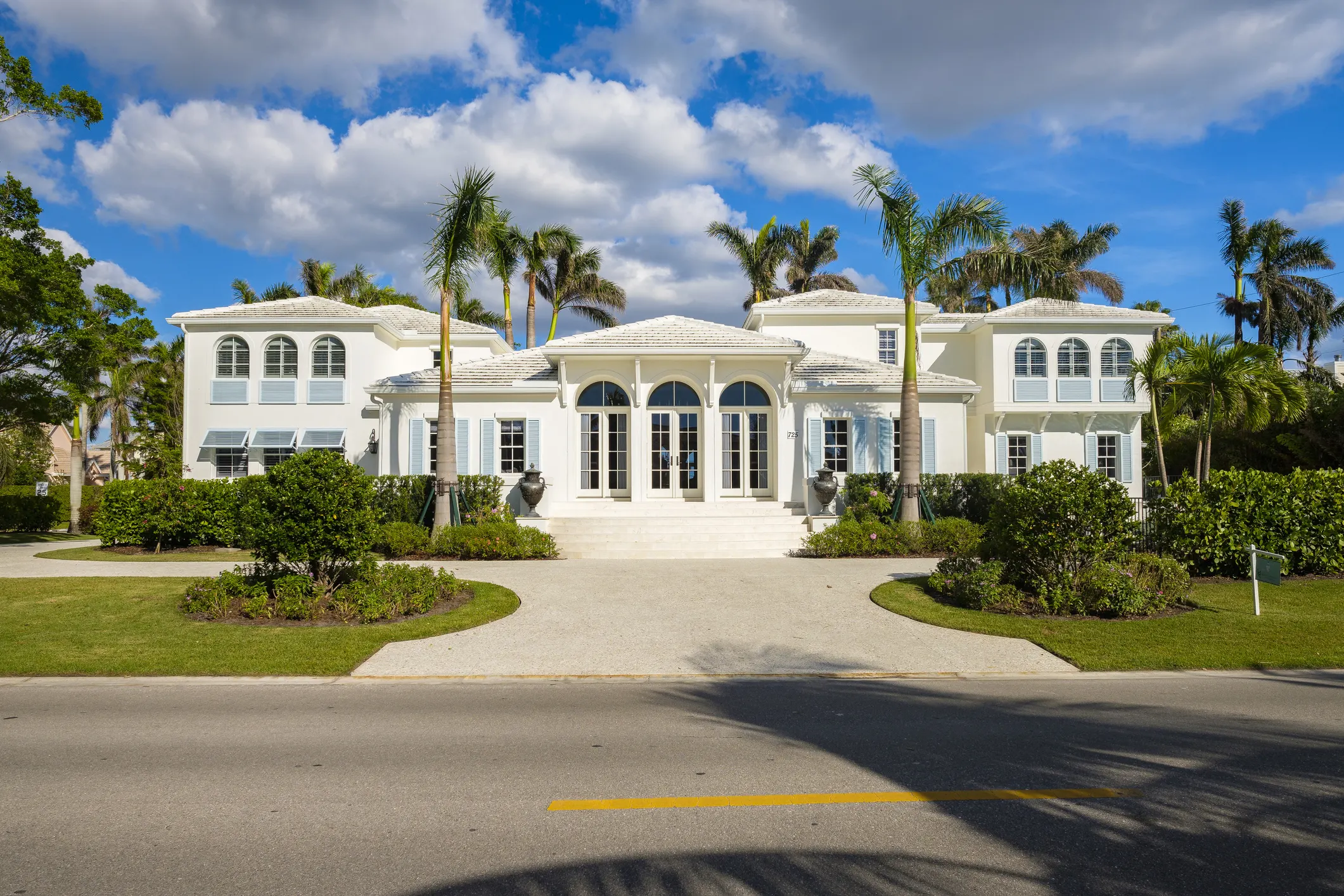
The last weeks of a luxury build are where a home either becomes a seamless experience or a stressful scramble. Furniture arrives while painters are still touching up. Systems need commissioning and explanation, art needs hanging, and landscaping must establish. Owners who may be traveling from another state want to walk into a home that simply works. A Casey Key luxury home builder who plans turnkey home delivery and estate care as carefully as the construction itself can make move-in seamless. That builder can also remain a partner long after the keys change hands.
This guide explains how to deliver and care for a high-end home: how to run the final punch list at a luxury standard, how to commission systems and explain them to the owner, how to coordinate furniture, art, and window treatments on a narrow barrier island, how the first year of warranty visits works, how a maintenance program protects the estate, and what to ask when interviewing a builder about life after construction.
Why Turnkey Home Delivery Deserves Its Own Plan
Construction schedules often focus on getting to substantial completion, and the final stretch is where details multiply. Hundreds of small items need attention, every system needs testing, and many different trades and vendors converge on the property at once. Without a plan, they collide.
A builder who drafts a delivery plan weeks in advance sequences these activities deliberately. Deep cleaning follows the last dusty trades. Furniture arrives after crews protect the floors and the home passes inspections, and art goes up once the environment is stable. The result is a calmer finish and fewer surprises.
The Luxury-Level Punch List
A punch list is the record of items that need correction or completion. At a luxury level, the standard is high. The team examines paint, millwork, tile, stone, glass, hardware, and finishes closely, often room by room with the owner and designer. Even items that would pass unnoticed in an ordinary home get noted and corrected.
Good practice includes multiple walkthroughs, starting with an internal review by the builder before the owner sees the home. Photographs, written lists, and assigned responsibilities keep the process organized. A builder who sees the punch list as a chance to refine the home leaves owners proud of the result.
Commissioning Systems and Testing Performance
Modern luxury homes contain complex systems: air conditioning and dehumidification, lighting controls, audio and video, security, irrigation, pool equipment, generators, and automation. The team should test and adjust each one to perform as designed.
Commissioning means verifying, not just installing. Test and document air balance, temperature and humidity control, lighting scenes, shade operation, network coverage, and backup power. Your builder should coordinate the specialists, record the results, and resolve deficiencies before move-in.
Owner Orientation and Training
A home with sophisticated systems requires orientation. Owners and any house managers should receive hands-on training for lighting, climate, security, irrigation, pool, and generator systems. They also need instructions for emergency shutoffs, such as the main water valve and electrical panels.
Written and digital resources help. A digital owner’s manual that includes drawings, equipment lists, finish schedules, paint colors, warranties, and contact information makes future service simple. Organized, searchable documentation from your builder saves owners considerable time and frustration.
Furniture, Art, and Window Treatments on an Island
Furnishings arrive from many sources, and coordinating deliveries on a barrier island requires planning. Narrow roads, limited access, and bridge restrictions can complicate large deliveries. Scheduling, protecting finished floors, and arranging adequate staging and labor are essential.
Timing matters. Furniture should not arrive until the home is clean, the air conditioning is stable, and construction work is complete. Window treatments often depend on final measurements, and art installation should happen when protective measures such as climate control and shading are in place. Your builder will coordinate with the interior designer and vendors so each element goes in at the right time.
Landscape Establishment and Final Details
Landscaping may not look its best on day one. Plants need time to establish, irrigation needs adjustment, and lighting needs fine-tuning at night. Owners should know what care the first months require, who provides it, and who handles irrigation and fertilization.
Final details include sealing stone, cleaning glass, adjusting doors and hardware, and testing exterior lighting. A good builder will schedule these tasks near completion so the property looks and works as intended on arrival day.
The Warranty Process and Early Follow-Up Visits
Even the best homes need adjustments as materials settle and systems operate through the seasons. A strong builder schedules follow-up visits during the first year to address items that surface with use. Common timing is about thirty days, a few months, and near the end of the first year.
Owners should understand how to report issues, what response times to expect, and what the warranty covers. A responsive warranty process gives owners confidence. That matters most for those who are away for extended periods and rely on the builder or a representative to manage service.
Building a Maintenance Program for the Estate
After turnkey home delivery, estate care on a barrier island depends on a planned maintenance program. Salt air, sun, humidity, and storms accelerate wear. Regular service for air conditioning and dehumidification, generator testing, pool care, irrigation checks, roof and exterior inspections, and sealant and caulk maintenance keep the home in top condition.
For waterfront properties, seawalls, docks, and lifts need periodic inspection. Metal finishes, wood elements, and exterior lighting also need attention. Your builder can recommend a schedule, identify trusted service providers, and create a calendar so nothing slips.
House Managers, Caretakers, and Seasonal Owners
Many owners spend only part of the year on the island. A caretaker or house manager can check the property, receive deliveries, meet service providers, run systems, and respond to alerts. Clear protocols, including contact lists, access instructions, and emergency procedures, support this role.
Technology helps. Remote monitoring of temperature, humidity, leaks, and security gives owners peace of mind. The builder who installed these systems can explain how to use them and help owners work with their house manager.
Storm Preparation and Recovery Protocols
Hurricane season requires a plan, and the Florida Department of Health’s hurricane preparedness guide is a good starting point. A written storm checklist should cover securing outdoor furniture, protecting equipment, verifying shutters or impact openings, testing generators, and documenting the property with photographs. After a storm, a recovery protocol outlines inspection steps, safety precautions, and who to call.
Prepare in advance. Share the plan with caretakers and key vendors, and keep records of the home’s condition. A builder who provides a storm protocol and stays available after events shows commitment beyond construction.
Documenting the Home for Insurance, Resale, and Future Projects
A finished estate is also a body of information. Insurers, appraisers, future buyers, and the owners themselves benefit from thorough records. Assemble a closeout file that includes the certificate of occupancy, final inspection reports, elevation certificate, product approvals, wind mitigation documentation, permit records, warranties, and as-built drawings that show where plumbing, electrical, and low-voltage systems run.
Photographs taken during construction are particularly valuable because they show what lies inside walls, ceilings, and under slabs. A builder who treats turnkey home delivery and estate care as one process delivers this record in an organized digital format. That makes future renovations, repairs, and insurance conversations far simpler. Update the file whenever you make improvements, and share the relevant portions with your caretaker, insurance agent, and service providers. Careful documentation preserves the value of the property and keeps future decisions grounded in accurate information rather than guesses about what sits behind the finishes.
Questions to Ask a Builder About Delivery and Care
Ask how the builder structures the final punch list and who attends walkthroughs. Ask how the builder commissions and documents systems. What training and documentation do owners receive? Ask how the team coordinates furniture and art deliveries on the island. Ask what follow-up visits and maintenance support the builder offers.
When interviewing builders, expect specific processes and examples, not vague promises of great service.
Frequently Asked Questions About Delivery and Care With a Casey Key Luxury Home Builder
What is commissioning?
It is the process of testing and adjusting building systems to verify they perform as designed, with results documented.
When should furniture be delivered?
After construction is complete, the home is clean, and systems are stable, ideally coordinated with the builder and interior designer.
What follow-up visits should I expect?
Many builders schedule visits during the first year to address items that appear with use, though schedules vary.
Do I need a house manager?
Seasonal owners often benefit from one. A caretaker can monitor the home, meet vendors, and respond to issues.
What should be in a digital owner’s manual?
Drawings, equipment lists, finish schedules, warranties, maintenance guidance, and contact information.
Delivering Turnkey Homes With Axelle Builders
Axelle Builders has spent more than 36 years designing and building custom homes across Southwest Florida’s coastal communities, including Casey Key. We plan delivery from the early stages, run rigorous punch lists, commission systems, and train owners. We also coordinate furnishings and remain available through the first year and beyond.
If you are comparing builders, ask each one how they handle turnkey home delivery and estate care before comparing finishes. Review what our process includes on our services page, see completed work in the gallery, learn about our work in the area on the Casey Key locations page, and find more building guidance on the Axelle Builders blog.
Ready to meet a Casey Key luxury home builder who treats move-in day as seriously as groundbreaking? Contact Axelle Builders or call (941) 713-2303 to schedule a consultation.
Axelle Builders, 1960 Stickney Point Rd Suite 206, Sarasota, FL 34231. Serving Casey Key, Sarasota, Siesta Key, Longboat Key, Manasota Key, Anna Maria, Holmes Beach, St. Pete Beach, and the surrounding Southwest Florida coast.