
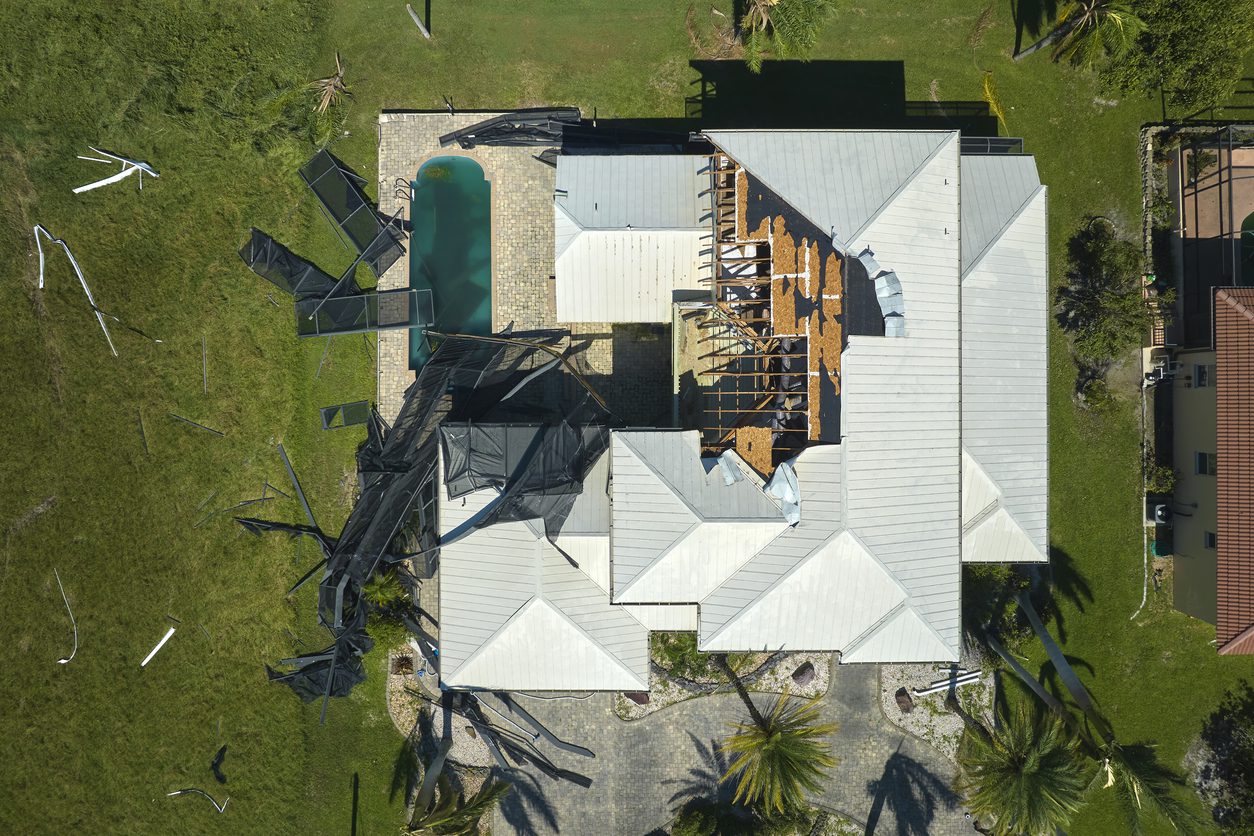
When a hurricane damages a home, the days that follow are stressful and confusing. Insurance paperwork arrives, contractors knock on doors, and every decision feels urgent. Homeowners on Anna Maria Island face an additional layer of complexity because flood elevation rules, permitting requirements, and limited island access all shape how recovery unfolds. Storm Damage Home Rebuilding Holmes Beach requires more than construction labor; it requires careful coordination between documentation, insurance, engineering, floodplain requirements, and rebuilding decisions.
This guide follows the rebuilding journey step by step. It starts with what to do after a storm. Next, it covers insurance claims and damage assessments. The guide then explains how officials determine substantial damage. It also covers elevation, permitting, and new design requirements. Finally, it explains how to choose a reliable builder and avoid common pitfalls. You will also learn what a realistic recovery timeline may look like. Homeowners comparing a Custom Home Builder Holmes should use these steps to ask better questions. This is general information, not legal or insurance advice, so confirm details with your insurer, local officials, and qualified professionals.
What Storm Damage Home Rebuilding Holmes Beach Really Requires
After significant storm damage, homeowners are usually looking for a local expert who understands flood elevation, wind design, insurance documentation, and the island’s permitting realities.
The decision is rarely about price alone. It is about trust, local knowledge, proven coastal experience, licensing, clear contracts, and the ability to coordinate multiple professionals through a complicated recovery process.
Homeowners comparing builders should look beyond portfolios. Ask how each company handles post-storm documentation, how it coordinates with engineers and floodplain officials, and how payment schedules are structured.
A qualified Holmes Beach custom home builder should be able to answer those questions directly and in writing.
The First Days: Safety, Documentation, and Preventing Further Damage
Safety comes first. Do not enter a structure until it is safe to do so, watch for downed power lines, and be cautious around contaminated floodwater, mold, damaged electrical systems, and structural instability.
Once conditions are safe, document everything with dated photographs and video. Record structural damage, interior damage, high-water marks, damaged belongings, exterior conditions, and any areas that may need to be removed during cleanup.
Take reasonable steps to prevent additional damage, such as covering an exposed roof or removing wet materials when appropriate, and retain receipts for emergency expenses.
Before discarding damaged components, confirm what your insurer or adjuster wants documented or preserved. Good documentation can support both insurance claims and later rebuilding decisions.
Insurance Claims and Why Flood and Wind Are Handled Differently
Homeowners insurance and flood insurance generally cover different causes of loss, and a single hurricane can involve more than one claim.
Wind-related damage is commonly addressed through homeowners or wind coverage, while flooding is generally handled under a separate flood insurance policy. Exact terms, exclusions, deductibles, and claim procedures depend on the policies involved.
Keep detailed records of conversations with insurers and adjusters, along with estimates, photographs, reports, and correspondence.
If an initial estimate does not reflect current repair costs or code-required work, a detailed contractor scope can help the homeowner understand and discuss the difference with the appropriate insurance professionals.
Structural Assessment and What Engineers Look For
Not all storm damage is visible. A licensed engineer can evaluate foundations, framing, roof connections, walls, and other structural components to determine whether the home can be repaired safely. Water can damage concealed materials, while wind can weaken structural connections that appear intact from the surface.
Skipping professional assessment can allow hidden damage to remain unresolved. The engineer’s report can also support insurance, permitting, and repair-versus-rebuild discussions. When damage is significant, the report helps the homeowner and builder understand whether repair remains practical or whether rebuilding deserves serious consideration.
Substantial Damage Determinations and Why They Matter
Substantial damage is especially important for properties within regulated floodplains. Under the National Flood Insurance Program, a structure is considered substantially damaged when the cost of restoring it to its pre-damage condition equals or exceeds 50% of the building’s pre-damage market value. The determination is made by the local building official or floodplain administrator, not by the homeowner or contractor.
If a substantially damaged structure does not meet current floodplain requirements, rebuilding or repair may require bringing the building into compliance with applicable flood-resistant construction standards. Florida’s Division of Emergency Management emphasizes that substantial damage determinations are a local responsibility and that affected structures should be evaluated before rebuilding begins.
For homeowners considering Storm Damage Home Rebuilding Holmes Beach, this determination can directly affect whether the existing structure can be repaired as-is, must be elevated, or is more practical to replace.
How Elevation and Permitting Shape the New Design
Current flood information and local requirements influence minimum finished-floor elevation, foundation design, overall building height, and how the home relates to the site. On Anna Maria Island, these factors need to be coordinated early because elevation, stairs, parking, outdoor areas, and building height all interact.
Rebuilding also creates an opportunity to improve resilience. Impact-rated openings, stronger roof-to-wall connections, flood-resistant materials, elevated mechanical equipment, and better water-management details can reduce vulnerability to future storms. These choices should be evaluated during design rather than added after plans are already complete.
Choosing a Builder and Avoiding Common Pitfalls
After major storms, homeowners may encounter unfamiliar or out-of-area contractors offering fast repairs. Verify licensing before signing anything. Florida’s Department of Business and Professional Regulation states that construction businesses must be qualified by properly licensed contractors and provides an official license-search system for verification.
Also request proof of insurance, references, a detailed written scope, and a clear payment schedule. Be cautious about vague contracts, unusually large upfront payments, pressure to sign immediately, or promises that do not clearly explain permitting and inspection requirements.
A reliable Custom Home Builder Holmes should welcome license verification, references, written documentation, and detailed questions rather than discouraging them.
Realistic Timelines and What Slows Recovery
Storm recovery rarely moves as quickly as homeowners initially hope. Insurance adjustments, structural engineering, substantial damage determinations, permit reviews, material availability, and contractor demand can all affect the schedule.
After a major storm, inspectors, engineers, subcontractors, and material suppliers may be handling unusually high demand at the same time. Island logistics can add another layer because access, staging, parking, debris removal, and deliveries may be more constrained than on a mainland site. A candid builder should provide a phased schedule with realistic ranges rather than promising an exact completion date before all major variables are understood.
Financing the Rebuild and Planning for Gaps
Insurance proceeds may not cover every rebuilding cost, particularly when current code, elevation, or resilience upgrades increase the scope beyond restoring the home exactly as it was. Homeowners may need to coordinate insurance funds with savings, financing, lender requirements, or available disaster-recovery assistance.
Ask insurers and lenders about payment timing because funds may be released in stages as work progresses. Maintain a contingency for unknown conditions that may only become visible during demolition or structural investigation. Transparent budgeting should separate known costs from allowances and uncertain items so homeowners understand where the financial risks remain.
Using the Rebuild to Prepare for the Next Storm
A major rebuild creates an opportunity to improve resilience. It is easier to add upgrades while crews reconstruct walls, roofs, and building systems. Consider stronger roof-to-wall connections and properly detailed roof assemblies. Impact-rated
Documentation matters just as much as the upgrades themselves. Keep product approvals, engineering documents, permit records, inspection reports, photographs taken during construction, and final closeout documents.
These records can be useful for future insurance, maintenance, resale, and storm-recovery conversations. Also consider generator readiness, battery backup options, and placement of important electrical and mechanical equipment above vulnerable elevations where appropriate.
Questions to Ask Before You Hire
- Ask how the builder assists with damage documentation and insurance-related construction estimates.
- Ask how substantial damage determinations and flood elevation requirements are incorporated into planning.
- Ask about island logistics and recent storm-recovery or coastal rebuilding experience.
- Ask how payments are structured, what milestones trigger payments, and how lien releases are handled.
A Custom Home Builder Holmes with real local experience should provide specific answers and written documentation rather than pressure to sign immediately.
Frequently Asked Questions About Storm Damage Home Rebuilding Holmes Beach
What should I do first after storm damage?
Prioritize safety, document the damage thoroughly, take reasonable steps to prevent additional loss, and contact your insurer. Keep photographs, receipts, reports, and written records of all communications.
What should I look for when choosing a builder after storm damage?
Look for a properly licensed and insured contractor with direct coastal or island experience. Florida DBPR recommends verifying construction licenses through its official database before hiring a contractor. Ask about storm rebuilding experience, references, contracts, payment structure, engineering coordination, and floodplain requirements.
Why are flood and wind claims handled separately?
They are generally covered under different insurance products. Wind-related losses may fall under homeowners or wind coverage, while flood losses are typically handled through a separate flood insurance policy. The actual coverage depends on your policies, so confirm the details with your insurer or agent.
What does substantial damage mean?
Under NFIP rules, substantial damage generally means the cost of restoring the structure to its pre-damage condition equals or exceeds 50% of its market value before the damage occurred. Local floodplain officials are responsible for making the determination. If the threshold is reached, current floodplain compliance requirements can significantly affect the repair or rebuilding plan.
How do I avoid contractor scams after a storm?
Verify the contractor’s Florida license, ask for proof of insurance, check references, require a detailed written contract, and be cautious about unusually large upfront payments or pressure to sign quickly. Florida DBPR provides both license verification and resources related to unlicensed construction activity.
How long will rebuilding take?
It varies considerably. Insurance, damage assessment, engineering, permitting, material availability, labor demand, site access, and the extent of required code upgrades all influence the timeline. Ask the builder for a phased schedule with realistic ranges rather than a single optimistic completion date.
Rebuilding on Anna Maria Island With Axelle Builders
Axelle Builders has spent more than 36 years designing and building custom homes across Southwest Florida’s coastal communities. Our work includes Holmes Beach and Anna Maria Island. For Storm Damage Home Rebuilding Holmes Beach, we help homeowners evaluate the next steps. We coordinate engineering and permitting while reviewing elevation requirements and stronger coastal construction options.
If you are deciding between repair and rebuilding, ask each builder to review the scope and permitting requirements. Discuss substantial damage considerations, budget, and timeline before making a commitment. The strongest rebuilding plan addresses today’s storm damage. It should also improve how the home performs during future severe weather.
Need help evaluating a storm-damaged Holmes Beach property and planning the next step? Contact Axelle Builders or call (941) 713-2303 to schedule a consultation.
Axelle Builders, 1960 Stickney Point Rd Suite 206, Sarasota, FL 34231. Serving Holmes Beach, Anna Maria, St. Pete Beach, Sarasota, Siesta Key, Longboat Key, Casey Key, Manasota Key, and the surrounding Southwest Florida coast.