
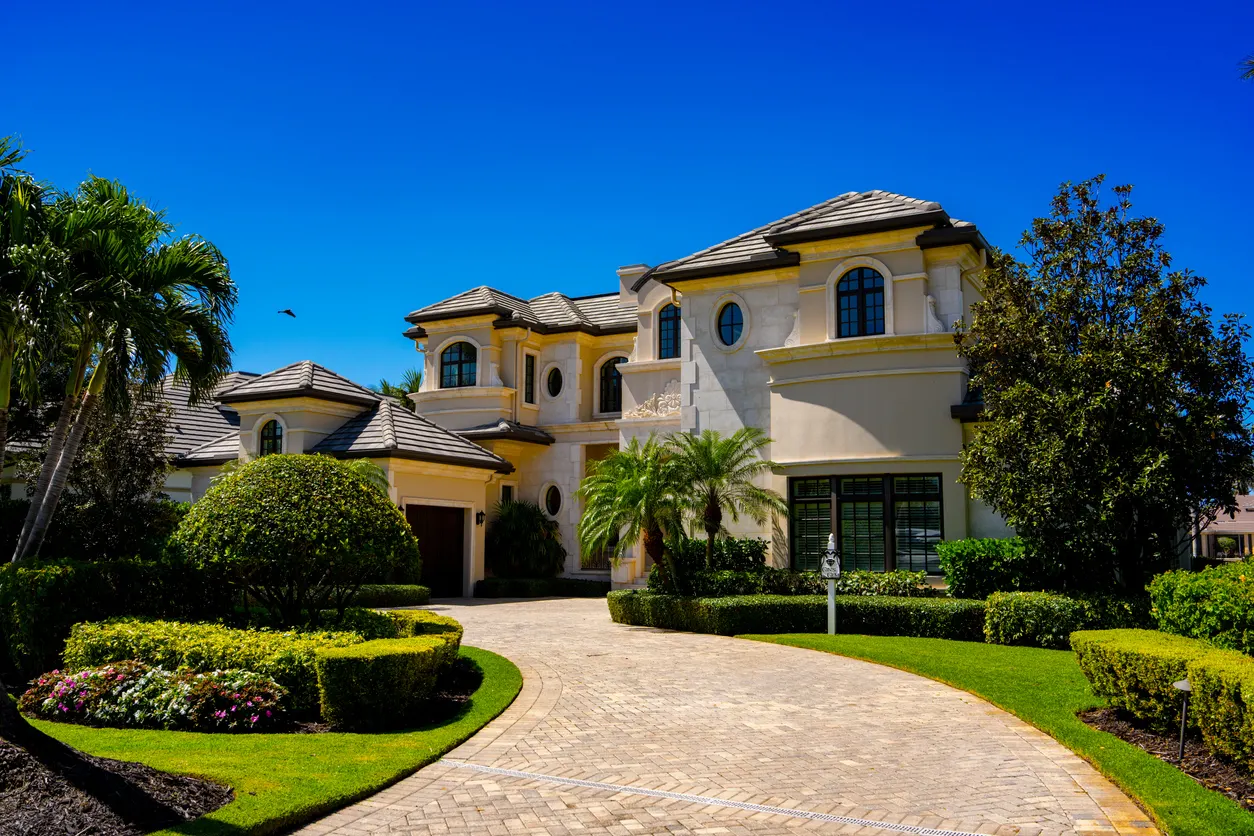
On Anna Maria Island, neighbors are close. Lots are often narrow, streets are tight, and homes sit within a few feet of each other. That closeness is part of the island’s friendly character, but it also means that every design decision affects someone else: where a window looks, where an air conditioner hums, how rainwater drains, and how long a construction crew parks on the street. Good small lot home design accounts for all of it. Homeowners who search for “custom home builder Holmes” are often asking, without saying it, who can design and build a home that feels private without making enemies of the neighbors.
This guide explains how to handle privacy and neighbor relations on small lots: how floor plans and window placement protect privacy, how setbacks and height rules shape the building, how to manage drainage and grading so water stays where it belongs, how to control noise and light, how to run construction with respect for the surrounding homes, and what to ask when you evaluate a builder.
Why Small Lots Change the Design Conversation
On a large parcel, a home can sit far from its neighbors and privacy takes care of itself. On a narrow island lot, the same home would look directly into a neighbor’s bedroom or kitchen. Good design starts with a clear understanding of the site: its dimensions, the position of adjacent buildings, the location of trees, and the views worth keeping or screening.
The right builder studies these relationships before drawing the first line. Site analysis, a current survey, and photographs of surrounding properties help the design team see what the new home will see and what will see it.
Floor Plans and Window Placement That Protect Privacy
Privacy is largely a matter of geometry. Placing bedrooms and bathrooms away from the nearest neighbor, aligning windows so they do not face each other directly, and using higher sill heights or clerestory windows on side walls can provide light without exposing the interior. Courtyards, screened porches, and carefully placed outdoor rooms can create private spaces that turn inward rather than toward the property line.
Vertical design also matters. Upper-level balconies and decks can overlook neighboring yards, so their placement and screening require care. A strong builder reviews sight lines with the architect using drawings or three-dimensional models. They suggest adjustments before construction begins.
Setbacks, Height Limits, and the Shape of the Building
Setbacks determine how close a building can sit to each property line, and height limits determine how tall it can rise. On the island, flood elevation requirements may lift the main living level, making the height budget tight. Together, these rules shape the building envelope and influence how the home relates to its neighbors.
Understanding these limits early prevents surprises. Ask how the builder verifies setbacks, height, and elevation requirements for your parcel, and how they affect the design. Rules can change, so confirm current requirements with the city.
Landscaping as Privacy and Softening
Planting is one of the most effective privacy tools. Layers of native or well-adapted shrubs and trees can screen views, soften hard edges, and provide shade. Fences and walls offer immediate privacy, but they must comply with local rules on height and placement, and their design should complement the architecture.
Existing trees deserve attention. Mature trees often provide natural screening and shade, and some may be protected. Protecting roots during construction keeps these assets healthy. Your builder should explain how it protects trees and coordinates landscape design with the home.
Drainage and Grading: Keeping Water Where It Belongs
On small lots, a home raised for flood protection can send runoff onto neighboring properties if grading is not managed properly. Grading must direct stormwater so it does not flood adjacent yards or create standing water. Swales, drains, permeable surfaces, and thoughtful grading all contribute, and local rules typically prohibit adverse drainage impacts on neighbors.
Good builders document existing conditions and design drainage carefully. A knowledgeable builder will coordinate civil engineering where needed. They will also review neighboring drainage patterns and ensure the finished lot manages water responsibly. This protects relationships as well as property.
Noise, Light, and Mechanical Equipment
Close quarters amplify everyday noise. Air conditioning condensers, pool equipment, generators, and outdoor speakers can disturb neighbors if placed poorly. Locating equipment away from bedrooms, using sound-attenuating enclosures, and choosing quieter models reduce impact.
Light also travels. Use shielded exterior fixtures aimed downward to limit glare, and near the beach, wildlife-friendly lighting rules may apply. When evaluating a builder, ask how they plan mechanical placement and exterior lighting with neighbors in mind.
Running a Construction Site Neighbors Can Live With
Construction is disruptive no matter what, but a well-run site is far easier to tolerate. Reasonable working hours, tidy staging, dust and debris control, and prompt cleanup keep conflicts low. Parking plans matter on narrow streets, and the builder should schedule deliveries to limit blocked access.
Communication is the most effective tool. Introducing the builder to neighbors before work begins, providing a contact number, and giving notice of noisy or disruptive activities such as pile driving or concrete pours build goodwill. A builder that treats its role as a community responsibility will have these practices in place.
Protecting Neighboring Structures
Excavation, pile driving, and heavy equipment can affect adjacent buildings through vibration or soil movement. Responsible builders photograph or survey neighboring structures before work begins, monitor vibration where appropriate, and respond quickly to concerns. Documentation protects both parties by establishing the condition of nearby buildings before work starts.
Ask about insurance, too. The builder should carry liability coverage and explain how it would handle any damage claims. Clear answers reflect professionalism and give homeowners confidence.
Shared Spaces, Views, and Easements
Some island lots share driveways, easements, or access points, and views may be valued by several properties. Surveys and title documents show these arrangements. Respecting easements and shared access prevents disputes and legal complications.
Where views are important, consider the effect of the new home on neighbors and vice versa. Open communication, and sometimes a willingness to adjust the design, can avoid conflict. A builder with local experience can advise on what is typical and reasonable.
Keeping the Relationship Going After Move-In
Good neighbor relations do not end when construction does. Once the home is finished, small habits keep goodwill intact: maintaining landscaping so screening plants stay healthy, adjusting exterior lighting if a neighbor raises a concern, and keeping mechanical equipment serviced so it runs quietly. If drainage patterns change after a heavy storm, address them quickly and share what you are doing.
A strong builder remains available after closing. Ask whether the builder schedules a follow-up visit during the first year and how it handles service requests, including any issue that affects a neighboring property. Homeowners who choose a responsive builder tend to enjoy smoother first years and stronger ties with the people next door. Keep your closeout documents, survey, drainage plan, and equipment information in one place so you can answer questions quickly, whether they come from a neighbor, an inspector, or a future buyer.
Questions to Ask Before You Hire
Ask how the builder analyzes privacy and sight lines during design. Ask how the builder verifies setbacks, height, and drainage. Ask how the builder manages construction to limit impact on neighbors, including parking and working hours. Ask how the team documents neighboring structures before work. Ask for references from owners who built on tight lots.
When you interview a builder, expect specific examples, not general assurances.
Frequently Asked Questions About Choosing a Custom Home Builder Holmes Homeowners Can Trust on Small Lots
How can I protect my privacy on a narrow lot?
Use thoughtful window placement, higher sill heights, courtyards, landscaping, and careful placement of balconies and decks, reviewed with sight lines in mind.
Can my new home cause drainage problems for neighbors?
It can if grading is not managed properly. Good design directs runoff away from adjacent properties, and local rules generally prohibit adverse impacts.
How should construction be managed on a tight street?
With planned deliveries, reasonable hours, tidy staging, parking plans, and clear communication with neighbors before and during work.
Should neighboring buildings be documented before construction?
Yes. Photographs or surveys of nearby structures establish their condition and protect everyone if a concern arises.
What does “custom home builder Holmes” mean for my search?
It usually means finding a licensed, locally experienced builder serving Holmes Beach and Anna Maria Island who understands tight lots, flood elevation, and neighbor-friendly construction.
Building With Respect for the Neighborhood at Axelle Builders
Axelle Builders has spent more than 36 years designing and building custom homes across Southwest Florida’s coastal communities, including Holmes Beach and Anna Maria Island. For Holmes Beach homeowners, we offer careful site analysis, privacy-minded design, responsible drainage planning, and neighbor-friendly construction practices.
If you are comparing builders, ask each one how they approach small lot home design, privacy, and neighbor relations before comparing finishes. Review what our process includes on our services page, see completed work in the gallery, learn about our work in the area on our locations page, and find more building guidance on the Axelle Builders blog.
If your search for a Holmes Beach builder has led you here, we would be glad to help. Contact Axelle Builders or call (941) 713-2303 to schedule a consultation.
Axelle Builders, 1960 Stickney Point Rd Suite 206, Sarasota, FL 34231. Serving Holmes Beach, Anna Maria, St. Pete Beach, Sarasota, Siesta Key, Longboat Key, Casey Key, Manasota Key, and the surrounding Southwest Florida coast.