
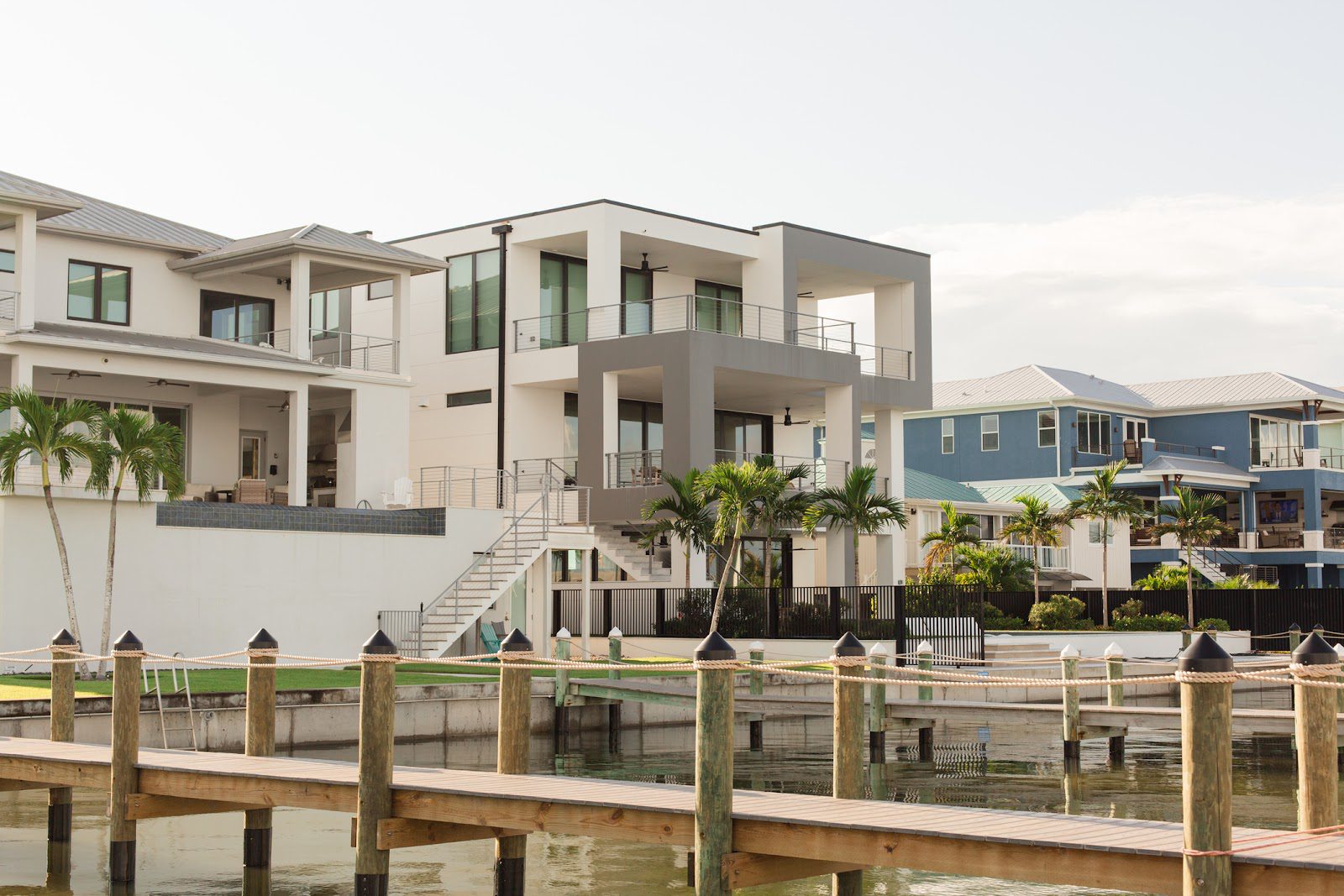
Vacant land looks simple. There are no walls to open, no old systems to replace, and the possibilities seem endless. In Southwest Florida, though, an empty lot can hide a long list of conditions that affect what can be built, how much it will cost, and how long approvals will take. Wetlands, protected wildlife, low elevation, poor drainage, and heavy vegetation are all common. Preparing vacant land in Fort Myers for a home build requires careful evaluation before you commit to a purchase, and an experienced Fort Myers home builder who reviews the land in advance can save you from expensive surprises.
This guide explains what to examine on vacant land in the Fort Myers area: how to read the site, how wetlands and water management rules may apply, how protected species can influence the schedule, how fill, grading, and drainage affect cost, how clearing and tree rules work, how utilities are brought to the lot, and what a thorough pre-purchase evaluation should include. Requirements vary by parcel, so verify details with the relevant agencies.
Why Land Evaluation Belongs Before the Purchase
Once you own a lot, you own its problems. A parcel that appears inexpensive may require tens of thousands of dollars in preparation before a foundation can be poured. A parcel with environmental restrictions may support a smaller home than you expected. Evaluating these factors before closing helps you negotiate, plan, or walk away.
A qualified builder can review a parcel during a due diligence or contingency period. This review combines site observation with records such as surveys, flood maps, soil information, and environmental data. The result is a realistic picture of buildable area, preparation needs, and likely approvals.
Reading the Site: Survey, Topography, and Access
A current survey shows boundaries, easements, and sometimes elevations. A topographic survey adds detail about high and low points, which influences drainage and fill requirements. Access also matters: a lot without a legal, buildable driveway connection may be difficult to use.
Easements can restrict building areas and may include utility, drainage, or access rights. The builder you work with should review the survey and title documents with you and explain how each easement affects the plan. Walking the property after rain can reveal drainage patterns that maps do not show.
Wetlands and Water Management
Parts of Southwest Florida contain wetlands, including areas that are not obviously wet during dry months. Wetlands are regulated, and development within or near them may require permits from state water management agencies and sometimes federal authorities. Buffers may also apply.
Permitting can take time, and some wetland areas cannot be disturbed at all. Before buying a parcel, ask whether any portion may be classified as wetland and consider consulting an environmental professional. A builder experienced with local agencies can help identify risk and coordinate the process, though final determinations come from regulators.
Protected Species and Wildlife Considerations
Florida’s wildlife protections can significantly affect the process of preparing vacant land in Fort Myers for a home build. Gopher tortoises, which dig burrows in sandy soil, are protected, and relocating them generally requires state authorization. Burrowing owls, which nest in underground burrows in open areas, are protected, and their active nests cannot be disturbed. Other species, including nesting eagles, may trigger buffers or restrictions.
Surveys by qualified professionals can determine whether protected species are present, and timing may be affected by nesting or breeding seasons. Your builder should include wildlife surveys in the due diligence process when site conditions suggest a possibility, and incorporate required timelines into the schedule.
Fill, Grading, and Drainage
Many lots must be raised above flood level or above surrounding water tables, which requires fill material, grading, and compaction. The amount of fill depends on current ground elevation, flood zone requirements, and drainage plans. Hauling and placing fill can be a major cost, particularly on low lots.
Drainage design ensures water leaves the property without harming neighbors. Retention areas, swales, and grading must comply with local requirements. An engineered plan is often required. A skilled Fort Myers home builder should coordinate civil engineering early so grading, driveway placement, and foundation elevation work together from the start.
Soil Conditions and Foundation Planning
Soil varies across the region. Some sites have firm, sandy soils, while others have organic layers, muck, or fill that must be removed or improved. A geotechnical report identifies soil layers, bearing capacity, and groundwater depth, and informs foundation design.
Poor soils can require deeper foundations, soil replacement, or pilings, which add cost. Knowing this before purchase helps you evaluate the true cost of the lot. Geotechnical testing during due diligence on questionable parcels is a standard recommendation from experienced Southwest Florida builders.
Clearing, Trees, and Vegetation
Clearing land involves more than removing plants. Local rules may protect certain trees, and permits may be required for removal. Invasive species may need treatment or removal, and burn or disposal rules apply. Preserving mature trees can add value and shade, but they may limit building areas.
A tree survey identifies significant specimens and guides design. Planning clearing carefully can protect valuable trees and avoid fines. Erosion control measures are also required during clearing to keep sediment on site.
Bringing Utilities to the Lot
Utilities can be a major variable when preparing vacant land in Fort Myers for a home build. Water and sewer may be available at the street, or the property may rely on a well and septic system. Electric and communications service may require line extensions. Distances to connection points affect cost, and utility providers may have timelines for service installation.
Septic systems depend on soil tests and setbacks, and they influence the home’s footprint. Confirming service availability early and obtaining estimates for connections is an essential step. Missing this can lead to unpleasant surprises after closing.
Flood Zones and Elevation Requirements
Flood zone designation determines minimum finished floor elevation and can affect foundation type, design, and insurance costs. Updated flood maps can change requirements, so use current data. A lot at low elevation may require significant fill or an elevated foundation.
According to FEMA’s National Flood Insurance Program, flood zone classification directly determines insurance requirements and minimum elevation standards for new construction, making it one of the most important factors to verify before purchasing vacant land.
Understanding these requirements early helps you design appropriately and budget accurately. Your builder should explain how flood zone and elevation will affect the home and recommend obtaining insurance quotes before purchase.
What a Good Pre-Purchase Evaluation Includes
A thorough evaluation typically includes a review of the survey, easements, zoning, flood data, soil information, utilities, environmental conditions, and access. It should also include a preliminary budget for site preparation and a realistic timeline for permitting.
A good Fort Myers home builder should present findings in plain language, highlight risks, and provide options. Written summaries and photographs help you compare multiple lots. This service can be one of the most valuable investments you make before buying.
Budgeting and Scheduling for Raw Land
Land preparation costs and timelines are among the least predictable parts of a custom home project, so build flexibility into both. Early in the process, ask for a range instead of a single number, and understand what could move the figure up or down. Fill volume, soil conditions, tree removal, utility distances, and environmental approvals each carry uncertainty. A prudent owner holds a separate contingency for site work and does not commit to firm move-in dates until major approvals are in hand.
Permit and agency timelines can overlap, but some must happen in sequence. For example, a wetland determination may need to precede detailed site design, and wildlife relocation may need to occur before clearing. A builder who maps these dependencies in a clear timeline helps you see how decisions in one area affect others. Keep copies of every permit, survey, and report in one place, since you will need them throughout the project and again at closing, refinancing, or resale.
Questions to Ask a Builder About Vacant Land
Ask whether the builder offers pre-purchase site evaluation and what it includes. Ask how wetlands and protected species are identified. Ask how fill, grading, and drainage costs are estimated. Ask how utilities are verified and how long connections take. Ask for examples of lots that were evaluated and the outcomes.
When interviewing any builder, look for specific, practical answers backed by direct experience with Southwest Florida sites.
Frequently Asked Questions About Preparing Vacant Land in Fort Myers for a Home Build
What should I check before buying a vacant lot?
Review the survey, easements, zoning, flood zone, soil conditions, utilities, access, and any environmental constraints such as wetlands or protected species.
Can protected wildlife delay construction?
Yes. Species such as gopher tortoises and burrowing owls are protected, and surveys, permits, or timing restrictions may apply.
Why is fill so expensive?
Fill requires material, hauling, placement, and compaction, and low lots may need a lot of it. Costs depend on distance, volume, and engineering requirements.
Do I need a soil test?
On many sites, yes. A geotechnical report identifies soil conditions and informs foundation design, and it can reveal expensive problems before you buy.
How early should I involve a builder?
Before you purchase, ideally during the contingency period, so you can evaluate the true cost and schedule.
Evaluating Land With Axelle Builders
Axelle Builders has spent more than 36 years designing and building custom homes across Southwest Florida, including the Fort Myers area. As a trusted Fort Myers home builder, the team helps buyers evaluate vacant land before they commit, reviewing surveys, flood data, soils, utilities, and environmental conditions so the true cost and timeline are clear from the start.
If you are comparing lots or builders, ask each one how they evaluate land before comparing floor plans. Review what the process includes on the services page, see completed work in the gallery, learn about the work in the area on the Fort Myers locations page, and find more building guidance on the Axelle Builders blog.
Thinking about buying vacant land and want an expert to evaluate it first? Contact Axelle Builders or call (941) 713-2303 to schedule a consultation.
Axelle Builders, 1960 Stickney Point Rd Suite 206, Sarasota, FL 34231. Serving Fort Myers, Sarasota, Siesta Key, Longboat Key, Casey Key, Manasota Key, Anna Maria, Holmes Beach, St. Pete Beach, and the surrounding Southwest Florida coast.