
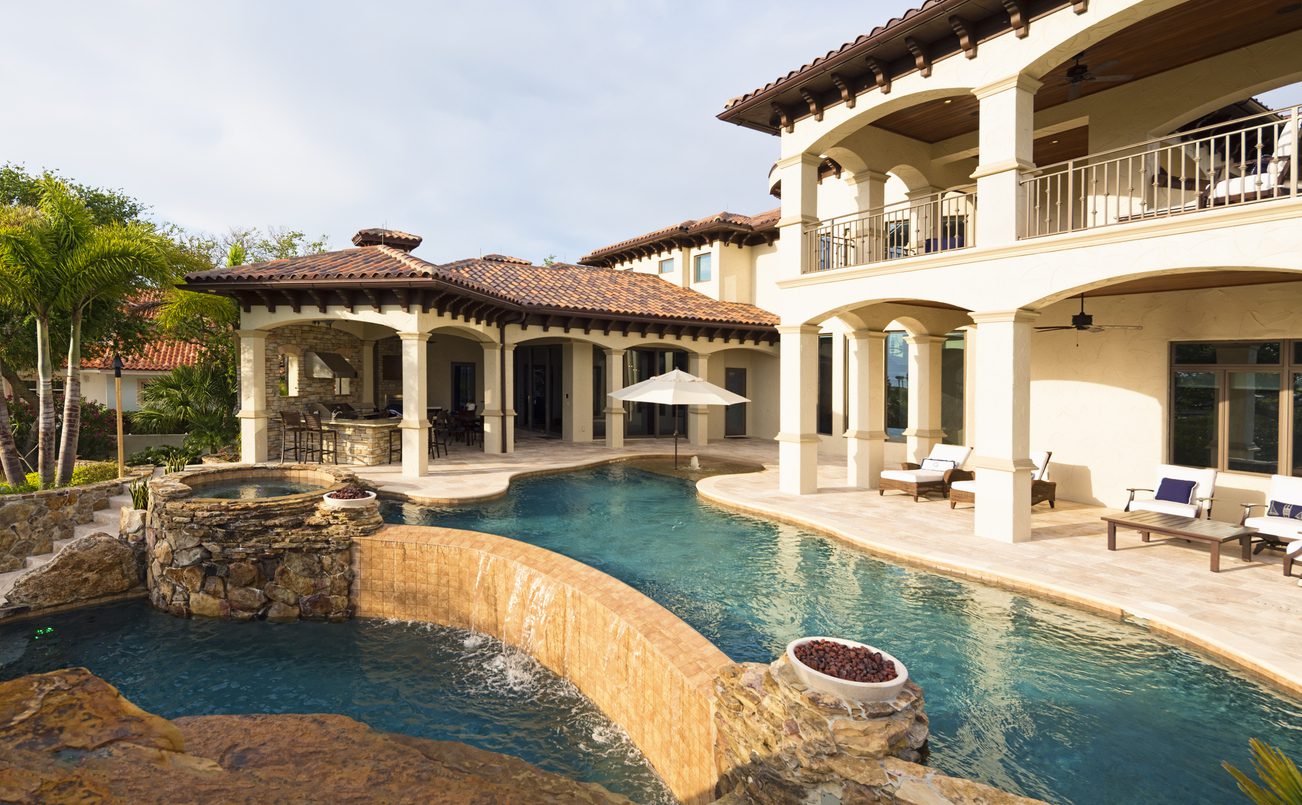
St. Petersburg is a city of distinct neighborhoods, and the differences between them are larger than many newcomers expect. Two lots a few miles apart can have different flood exposure, design constraints, lot dimensions, and a completely different daily rhythm. Choosing among the Neighborhoods for New Construction in St. Pete is the first major decision in a custom build, and it influences the budget, schedule, and design more than almost any other choice.
This guide explains how to evaluate neighborhoods before buying a lot: how flood conditions and elevation shape construction costs, how lot size and zoning limit the design, how neighborhood character affects what will fit in, how lifestyle priorities point toward different parts of the city, and how a builder can help compare options before you commit to a New Construction St. Pete site.
Why Neighborhood Choice Matters for New Construction in St. Pete
Most buyers start with a house in mind and then look for a lot. A smarter order is to choose the neighborhood first, since the property determines what the house is allowed and able to become. A bayfront lot calls for a different structural and site strategy than an inland bungalow street, while a narrow historic lot requires a different plan from a wider suburban parcel.
Treating the neighborhood as a design input from day one saves considerable time and reduces the risk of developing a plan that does not fit the site.
The neighborhood also determines the experience of living in the home. Walkability, water access, quiet, traffic, proximity to parks, restaurants, downtown, and other daily destinations all vary.
A buyer who spends time in several neighborhoods at different times of day will usually make a more informed decision than one relying on listings alone.
Homeowners considering a coastal project can also review Axelle Builders’ experience with new construction in the St. Pete area before narrowing down a property.
Flood Risk and Elevation by Neighborhood
Parts of St. Petersburg sit at relatively low elevations, and flood exposure varies significantly by location. Flood zone designation and required construction elevation should be confirmed for the specific parcel rather than assumed from nearby properties.
A builder should review current flood information for every lot under serious consideration and explain how those conditions may affect foundation design, access, finished-floor elevation, site work, and budget.
Local experience can add context, but it should complement rather than replace official flood information.
For any New Construction St. Pete site, this research belongs in the due-diligence stage because elevation and flood requirements can materially change both the design and total project cost.
Lot Size, Zoning, and Buildable Area
Lot dimensions and zoning rules determine the practical building envelope. Older neighborhoods may have narrower parcels that push design toward more vertical layouts, while larger waterfront or newer-development lots may introduce different setbacks, private covenants, or design restrictions.
Understanding those limits early prevents the disappointment of falling in love with a floor plan that cannot reasonably fit the site. A builder can translate zoning and survey information into a preliminary buildable envelope for each lot being considered. That exercise often changes how buyers rank their options, because a slightly smaller property with fewer constraints can sometimes support a more successful home than a larger lot with severe limitations.
Neighborhood Character and Design Compatibility
Every neighborhood also has a visual identity. Some streets are defined by historic bungalows and mature tree canopy, others by mid-century houses, and others by newer contemporary waterfront residences. Designing a home that responds thoughtfully to its surroundings can create a more natural relationship with the street and neighboring properties without requiring imitation.
Some properties may also fall within historic districts or other special-designation areas that affect review. The City of St. Petersburg maintains official zoning, future-land-use, and historic-preservation mapping that can be checked for a specific parcel. Walk the streets you are considering and study scale, rooflines, porches, setbacks, materials, and how homes relate to the street. A home that feels appropriate to its block is usually the result of thoughtful proportion and context rather than copying neighboring architecture.
Comparing Historic, Waterfront, and Inland Neighborhoods
Historic urban neighborhoods closer to downtown can offer walkability, mature landscaping, and strong architectural character, while also bringing narrower lots and, in some locations, historic-preservation considerations.
Waterfront neighborhoods can offer views and boating access but often require more careful evaluation of flood exposure, elevation, wind conditions, insurance, and marine improvements.Inland neighborhoods may offer larger lots or lower flood exposure in some cases, though the tradeoff may be less direct access to the waterfront lifestyle. The best choice depends on the specific parcel, not just the neighborhood name.
Matching the Neighborhood to Your Lifestyle
Start by listing what matters most. Do you want to walk to restaurants and shops? Keep a boat nearby? Have a quieter street for children or pets? Stay close to work, downtown, the airport, or the beach? Rank those priorities and use them to filter potential locations. Compromises are inevitable when comparing the Neighborhoods for New Construction in St. Pete, but knowing which priorities are non-negotiable makes those compromises easier to evaluate.
Also consider how you expect to live five or ten years from now. Some buyers plan for aging in place, which can make elevation, stairs, elevator planning, and single-level living more important. Others expect frequent family visits, remote work, or changing household needs. A good builder will ask these questions early because lifestyle planning influences both neighborhood selection and the design decisions that follow.
Construction Access and Site Logistics
Access matters during construction as well. Narrow streets, alleys, restricted staging space, existing neighbors, mature trees, and limited delivery access can all change how a project operates. Dense urban areas may require more careful scheduling and material staging, while waterfront sites may introduce marine-access or limited-yard considerations.
These factors can affect cost as well as schedule. Difficult access may increase equipment, labor, or staging costs, while a more open site can simplify logistics. Ask the builder to evaluate these conditions before purchase rather than after construction documents are complete.
How a Builder Helps Compare Potential Lots
A good builder acts as an early advisor. Before you buy, the team can review available surveys, flood information, zoning, access, and obvious site conditions, then provide a preliminary assessment of how each lot could affect design and budget. This comparison often reveals that the lowest land price does not necessarily produce the lowest total project cost once elevation, site work, demolition, drainage, utilities, and logistics are considered.
The City of St. Petersburg’s zoning resources include zoning districts, future land use, and special overlays, while its historic-preservation data identifies local landmarks, historic districts, and contributing resources. Those tools make parcel-specific research far more reliable than assumptions based only on neighborhood reputation. For a New Construction St. Pete buyer, early site analysis can be one of the most valuable steps in the entire process. It helps buyers negotiate with more confidence, avoid unsuitable lots, and enter design with more realistic expectations.
How Neighborhood Choice Affects the Total Budget
The neighborhood also influences the budget beyond the price of the lot. Required elevation can increase foundation and access costs. Waterfront sites may involve seawalls, docks, or more demanding structural conditions. Historic properties can introduce additional review, while constrained urban sites may increase labor and logistics costs.
Insurance, property taxes, association fees, and long-term maintenance should also be considered when comparing the true cost of ownership. A realistic project budget accounts for these conditions before a construction agreement is signed. Ask the builder to prepare a preliminary estimate that includes known site work, elevation, permitting, access, and other lot-specific considerations. Comparing total development cost rather than purchase price alone gives buyers a clearer picture of where their budget delivers the most value.
Questions to Ask Before Choosing a St. Pete Neighborhood
Ask which St. Petersburg neighborhoods the builder has direct experience in and request examples of completed projects.
Ask how flood information and required elevation are verified for a property. Also ask how zoning, setbacks, historic designation, and other overlays affect the proposed design.
The City’s planning data confirms that zoning and historic-preservation conditions are mapped parcel by parcel, so these questions should be answered from current property information rather than broad neighborhood assumptions.
Buyers should also ask how the builder compares multiple lots and what information will be provided so the differences are clear.
Frequently Asked Questions About Neighborhoods for New Construction in St. Pete
How do I check flood risk before buying a lot in St. Pete?
Review current flood information for the specific property and confirm the elevation and construction requirements that apply before purchase. Do not assume two nearby properties carry identical conditions.
Do different St. Pete neighborhoods have different building rules?
Yes. Zoning, future-land-use designations, historic-preservation status, and other overlays can vary by property. The City maintains official mapping for these conditions.
Is a larger lot always better for a custom home?
Not necessarily. A smaller parcel with a clean building envelope and fewer constraints can sometimes support a better design than a larger property affected by setbacks, easements, flood requirements, protected resources, or difficult access.
How does neighborhood choice affect insurance?
Flood exposure, elevation, wind exposure, construction characteristics, and other property-specific factors can influence insurance. Obtain property-specific insurance guidance before closing rather than relying on neighborhood averages.
When should I involve a builder in lot selection?
As early as practical, ideally before purchase or during the contingency period. Early involvement allows construction constraints and likely site costs to be considered while you still have flexibility.
Building in St. Pete With Axelle Builders
Axelle Builders has spent more than 36 years designing and building custom homes across Southwest Florida’s coastal communities, including the greater St. Pete area. When evaluating Neighborhoods for New Construction in St. Pete, we help homeowners consider flood conditions, zoning, site access, lot constraints, and lifestyle priorities before design begins.
If you are comparing lots or builders, ask each team how they evaluate a site before comparing floor plans. The right neighborhood should work for both the home you want to build and the way you want to live.
Ready to compare St. Pete neighborhoods and lots before committing to a project? Contact Axelle Builders or call (941) 713-2303 to schedule a consultation.
Axelle Builders, 1960 Stickney Point Rd Suite 206, Sarasota, FL 34231. Serving St. Pete Beach, Sarasota, Siesta Key, Longboat Key, Casey Key, Manasota Key, Anna Maria, Holmes Beach, and the surrounding Southwest Florida coast.