
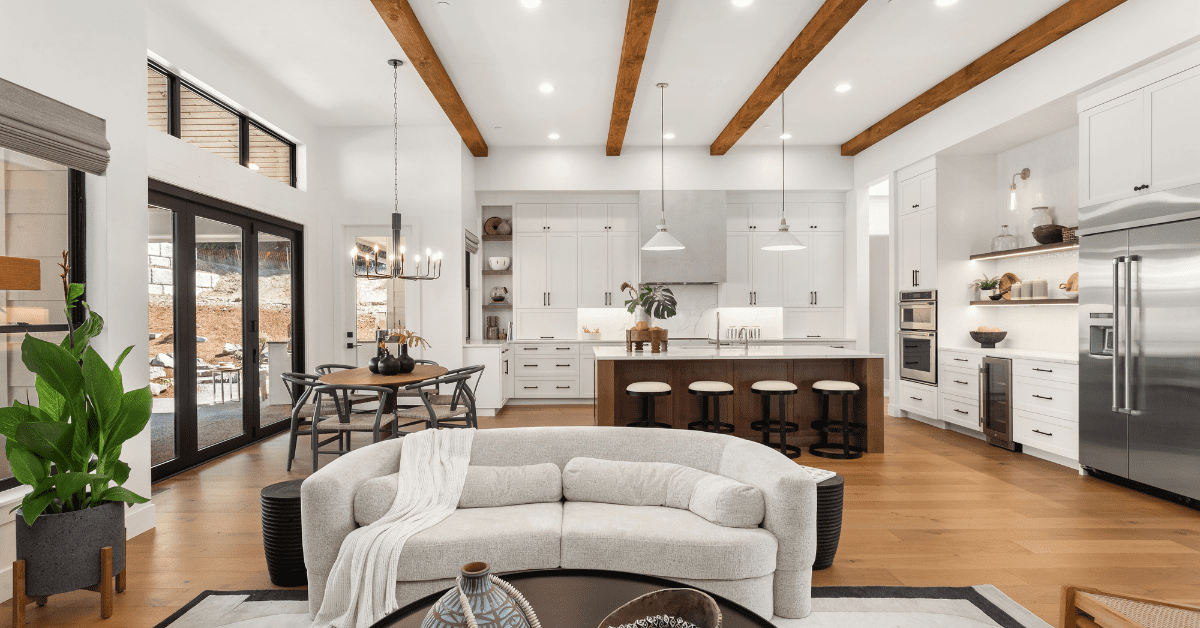
Natural light plays a crucial role in home design, impacting everything from aesthetics to mood and energy efficiency. Homes that are designed to maximize natural light feel more spacious, inviting, and comfortable. Sunlight can enhance architectural details, reduce the need for artificial lighting, and even promote overall well-being.
At Axelle Builders, we understand the importance of integrating natural light into custom home designs. Whether you are building a new home or looking to enhance an existing space, here are some key strategies to help you create brighter interiors with ample natural light.
Understanding the Benefits of Natural Light
Maximizing natural light in a home goes beyond aesthetics. It has tangible benefits that improve daily life, including:
- Reduced reliance on artificial lighting, leading to lower energy bills
- A sense of openness and expanded space, making rooms feel larger
- Improved mood and mental well-being due to increased exposure to sunlight
- Enhanced home value and curb appeal, as bright interiors are more desirable
- Better indoor air quality, as sunlight can help prevent mold and mildew growth
With these benefits, let’s explore some practical ways to bring more natural light into your home.
Optimizing Window Placement and Size
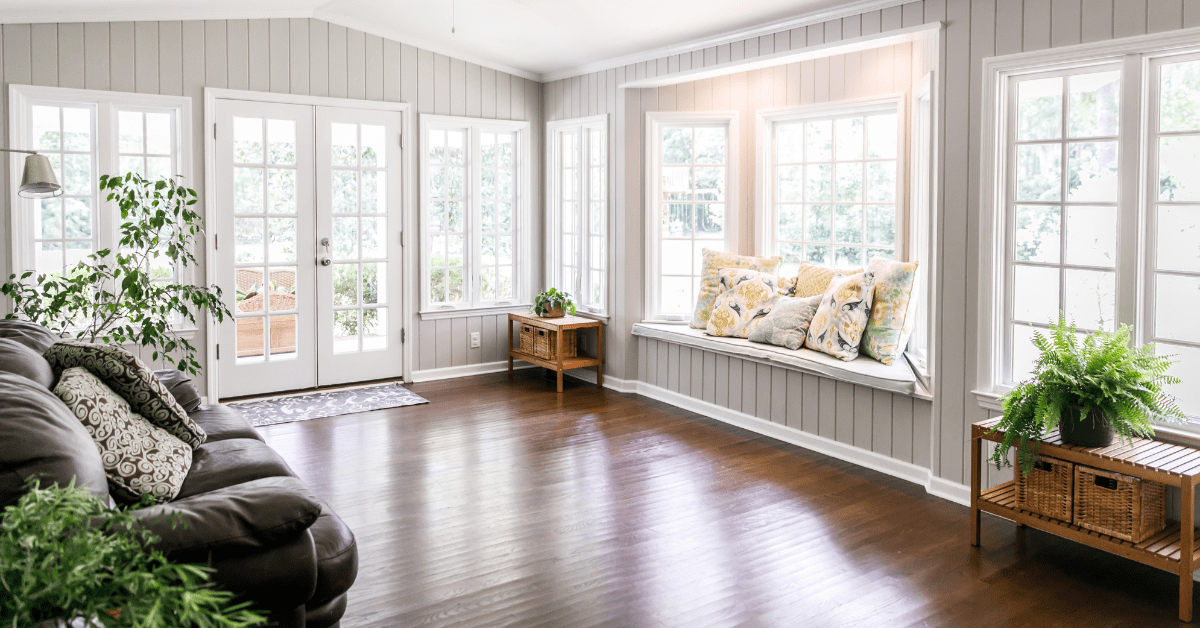
One of the most effective ways to increase natural light is through strategic window placement and sizing. Larger windows and well-placed openings allow sunlight to enter different areas of the home throughout the day.
Consider the orientation of your home and how the sun moves across the sky. South-facing windows typically receive the most sunlight throughout the day, making them ideal for main living areas. East-facing windows provide morning light, while west-facing ones allow for evening sun. North-facing windows receive consistent but softer light, which can help avoid harsh glare.
If possible, opt for floor-to-ceiling windows or larger picture windows in main living areas. Bay windows and corner windows can also help capture more sunlight while offering expansive outdoor views.
Using Glass Doors to Connect Indoor and Outdoor Spaces the Lot’s Features
Glass doors are a great way to extend natural light into a home while creating a seamless connection between indoor and outdoor areas. Sliding glass doors, French doors, and bi-fold doors allow more sunlight to enter while making outdoor patios, gardens, or balconies feel like an extension of the home.
In homes with limited wall space for windows, glass doors can be an effective alternative. They provide ample daylight while improving airflow and creating a greater sense of openness.
Incorporating Skylights and Sun Tunnels
Skylights and sun tunnels are excellent solutions for increasing natural light in areas where traditional windows are not an option. Bathrooms, hallways, and interior rooms that lack exterior walls can benefit from these features.
Skylights are especially useful in rooms with vaulted or high ceilings, as they allow light to filter down into the space. Sun tunnels, also known as solar tubes, are a more compact alternative that channels daylight from the roof into darker areas of the home. These options can brighten interior spaces while maintaining privacy and architectural integrity.
Choosing Light-Reflective Surfaces
The materials and colors used in a home’s interior play a big role in how natural light is distributed. Lighter-colored walls, ceilings, and floors reflect sunlight more effectively, making rooms appear brighter and more open.
Opt for light shades of white, beige, or soft pastels for walls and ceilings to maximize reflection. Glossy finishes, such as high-gloss paint, polished tile, or reflective countertops, can also help bounce light around a room.
Mirrors are another powerful tool for enhancing natural light. Placing a mirror opposite a window can help spread sunlight deeper into the space. Mirrored furniture, glass decor, and metallic accents can also contribute to a brighter atmosphere.
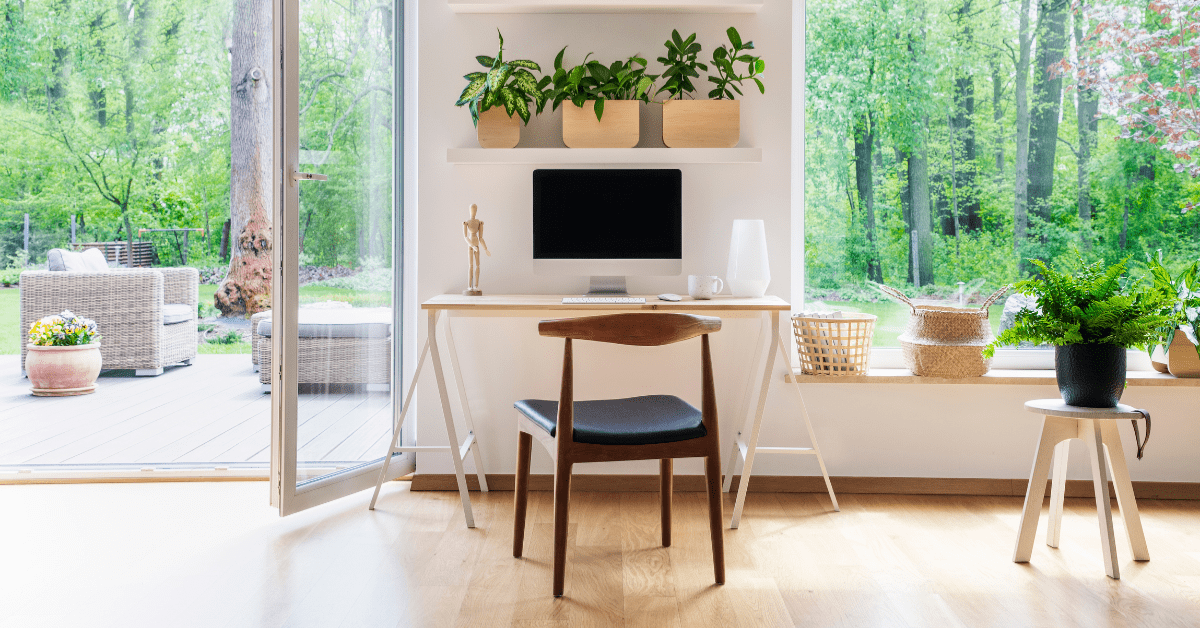
Using Open Floor Plans to Maximize Light Flow
The layout of a home has a direct impact on how light travels through different areas. Open floor plans with fewer walls and partitions allow sunlight to flow freely from one space to another.
Removing unnecessary barriers, such as walls between the kitchen and living room, can create a brighter and more spacious feel. If a completely open floor plan isn’t feasible, using glass partitions or interior windows can help maintain light flow while providing some separation between rooms.
Using Architecture to Enhance Natural Light
Certain architectural elements can amplify the effects of natural light in a home. Features like vaulted ceilings, open staircases, and interior courtyards can all contribute to a brighter living environment.
Adding glass railings instead of solid barriers for staircases can help prevent light from being blocked. Interior atriums or courtyards with glass walls bring sunlight into central areas of the home, even in multi-story buildings.
Final Thoughts on Designing for Natural Light
Maximizing natural light in a home is one of the most effective ways to create a bright, airy, and welcoming environment. By considering window placement, using reflective surfaces, incorporating skylights, and optimizing the home’s layout, homeowners can make the most of natural daylight.
At Axelle Builders, we take natural light into account when designing custom homes, ensuring that each space is thoughtfully planned for both functionality and aesthetics. Whether you’re building a new home or renovating an existing one, our team can help you create a space that is filled with light and designed for comfort. Contact us today to learn more about how we can bring your vision to life.