
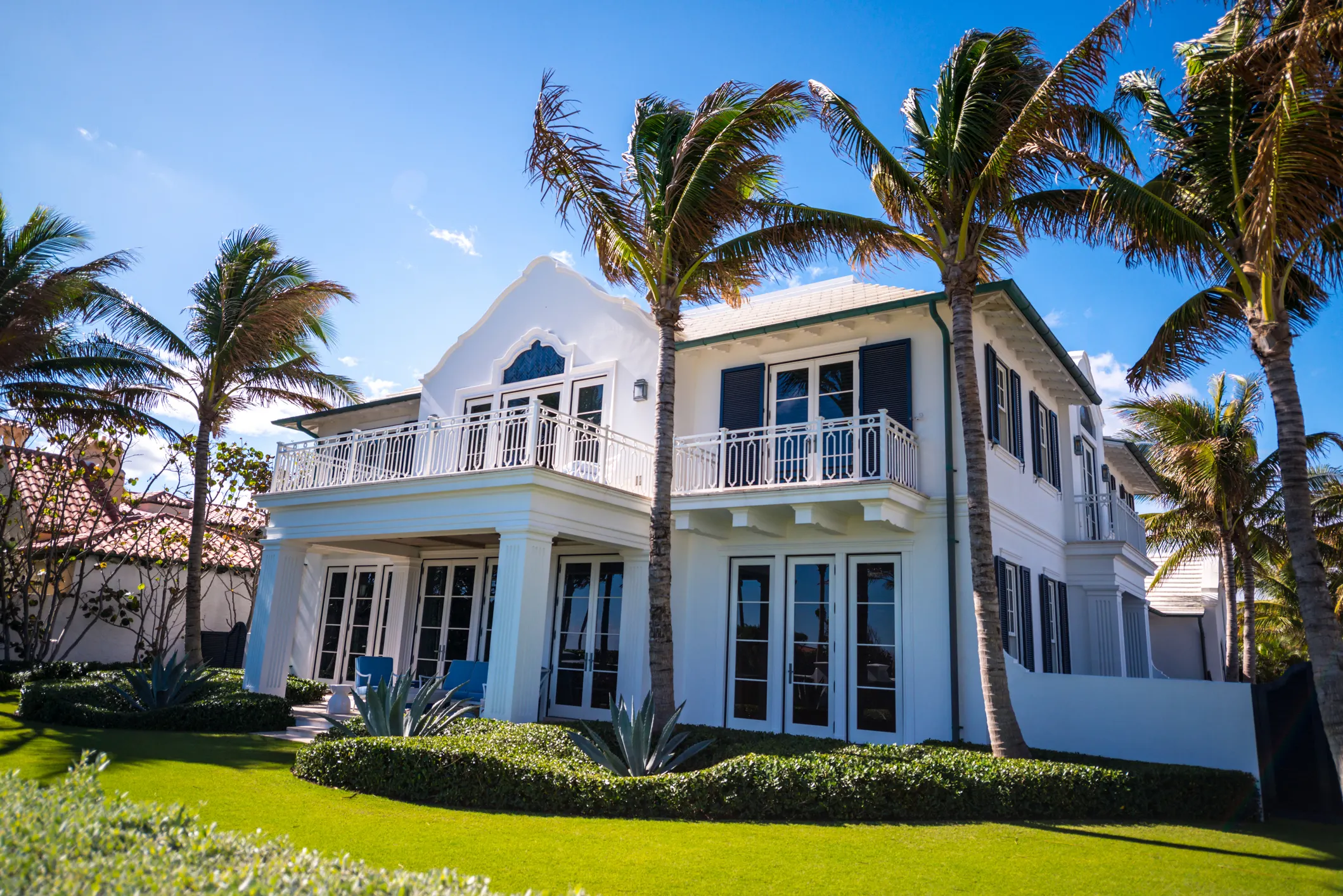
Sarasota is a city that takes art seriously. Museums, galleries, theaters, and a thriving community of collectors shape the way many residents live, and it is common for luxury homeowners here to want rooms that display paintings, sculpture, and treasured objects as beautifully as a gallery would. Achieving that result takes more than good taste or knowing how to light artwork in your home. It depends on lighting design, wall construction, structure, and environmental control, all planned long before anyone hangs the first piece. A luxury home builder Sarasota collectors trust builds these elements into the home from the beginning.
This guide explains how to prepare a home for art and beautiful light: how to layer lighting, how to choose fixtures and controls, how to build walls and ceilings that display art, how to manage sunlight and humidity to protect collections, how to support sculpture and heavy pieces, and what to ask when interviewing a builder.
Why Lighting and Art Display Are Built, Not Added
The most beautiful lighting rarely comes from fixtures installed at the end. It comes from coves, slots, recesses, and wiring that crews build into walls and ceilings during construction. Likewise, a wall that displays art well is often flatter, stronger, and more carefully finished than ordinary drywall, and it may include hidden blocking or hanging systems.
Because these details sit inside the structure, the team must plan them early. A skilled builder will ask about collections, display goals, and lighting preferences during design. That way the framing, electrical, and finishes support them. Waiting until you select finishes leaves fewer options and can require expensive changes.
Layering Light: Ambient, Task, Accent, and Decorative
Professional lighting design uses layers. Ambient light provides overall illumination, task light supports activities like cooking and reading, accent light highlights art and architecture, and decorative fixtures add personality. The interplay of these layers creates depth and mood.
Rather than relying on a single ceiling fixture, a well-lit room offers choices. Dimmable recessed lights, linear coves, wall washers, and table or floor lamps can work together as scenes for morning, dinner, entertaining, or quiet evenings. Your builder should coordinate electrical layouts with a lighting designer. That ensures circuits, dimmers, and fixture locations match the design.
Light Quality: Color Temperature and Color Rendering
Two measurements matter greatly for art and interiors. Color temperature describes whether light appears warm or cool, while color rendering indicates how accurately a light source shows colors. High-quality LED fixtures with strong color rendering make skin tones, fabrics, and artworks look natural.
Consistency also matters. Mixing fixtures with different color temperatures can make a space feel uneven. Specifying a consistent family of fixtures and sources keeps the look cohesive. Your builder should help select reliable products and avoid cheap components that flicker, buzz, or shift color over time.
Lighting Art: Techniques That Flatter Without Damaging
You can light art with adjustable recessed fixtures, track systems, picture lights, or wall washers, each producing different effects. The goal is even, glare-free illumination that reveals texture and color without hot spots or reflections. Aiming angles, beam spread, and distance from the wall all matter.
Protecting art is equally important. Intense light and ultraviolet exposure can fade works over time. Choose lighting with conservation in mind, using fixtures with appropriate output and filtering. Adjustable fixtures allow reconfiguration as collections change. A thoughtful builder will plan ceiling locations and junction boxes with enough flexibility for future rearrangements.
Preparing Walls for Art
A gallery-quality wall is flat, smooth, and sturdy. Achieving this requires careful framing, quality drywall installation, and a high level of finish, since lighting at a low angle reveals every imperfection. Some owners choose plaster or specialty finishes for added refinement.
Hidden preparation helps too. Solid blocking or plywood backing behind walls lets you hang heavy pieces securely. Recessed picture rails or hanging systems make changing displays easy without repeated nail holes. Your builder should place this support wherever you plan to hang large works. It should also appear on as-built drawings.
Protecting Collections From Sun, Heat, and Humidity
Florida’s sun and humidity are hard on art. Ultraviolet light fades pigments, heat accelerates deterioration, and high humidity encourages mold and warping. Protective measures include UV-filtering glazing, shading devices, thoughtful placement of art away from direct sunlight, and consistent climate control.
Humidity control is particularly important. Air conditioning should maintain steady conditions, and dehumidification can help. Some collectors designate rooms for art with enhanced environmental control. A trusted builder will coordinate glass, shading, mechanical design, and room placement so the home protects what it displays.
Sculpture, Heavy Pieces, and Structural Support
Large sculptures, stone pieces, and heavy furniture can exceed the loads a typical floor can carry. Pedestals, plinths, and display platforms may require reinforced framing or slab thickening. Planning for these items during structural design is far easier than strengthening floors later.
Access matters as well. Moving large works into the home requires wide doorways, clear paths, and sometimes exterior access points or removable glazing. A reliable builder will review the dimensions of planned pieces and design openings and routes to fit.
Outdoor Art, Gardens, and Landscape Lighting
Many Sarasota homes extend the gallery outdoors with sculpture gardens, courtyards, and landscaped terraces. Outdoor lighting can dramatize artwork, trees, and architecture at night. Fixtures must withstand salt, moisture, and sun, and installation should protect wiring from water.
Near the beach, wildlife-friendly lighting rules may apply, so use shielded, carefully placed fixtures. Your builder should coordinate outdoor lighting with landscape designers and plan conduit and power before crews pour hardscape. They should also confirm local requirements.
Controls, Scenes, and Technology
Lighting control systems allow owners to set scenes with a touch, schedule lights, and adjust levels throughout the home. Keypads, apps, and voice control provide flexible interfaces, and integration with shades and audio can create unified experiences.
Reliability and simplicity matter. Systems should be intuitive for family and guests, and owners should retain administrative control. Your builder should coordinate low-voltage wiring and control hardware during rough-in, and provide clear documentation for future service.
Mockups, Timing, and Budget
Lighting looks different in real conditions than in drawings. Mockups of key fixtures and wall finishes allow owners to judge effects before committing. Adjusting aiming angles and dimming levels after installation, called focusing, is part of a professional lighting installation.
Budget realistically. Quality fixtures, controls, and specialized installation add cost, but they are among the most visible features of a luxury home. Lead times for custom fixtures can be long, so make selections early. Any builder you evaluate should provide transparent pricing and a clear schedule.
Maintaining Lighting and Display Systems Over Time
A gallery-quality home stays that way through care. LED sources last a long time but eventually dim or fail, so owners should keep spare drivers and lamps, and know how to reach the installer. Fixtures that are easy to access, with concealed but serviceable drivers and junction boxes, save time and avoid cutting into finished ceilings for routine repairs.
Collections evolve, and so should the lighting. Plan for periodic refocusing as artworks change, and keep a record of fixture types, beam angles, and control settings. Clean glass and fixtures regularly, check that shading systems continue to protect sensitive pieces, and monitor temperature and humidity where you display valuable works. Your builder should provide as-built drawings that show circuit layouts, blocking locations, and equipment access. Ask for a maintenance guide and contact information for each specialist too. These records keep the home flexible, protect your collection, and make future updates faster and less costly, whether you are rehanging a gallery wall or upgrading controls years from now.
Questions to Ask a Builder About Lighting and Art
Ask whether the builder works with lighting designers and how they coordinate electrical rough-in. Ask how the builder prepares walls for art and documents blocking. Ask how the design protects collections from sun and humidity. Ask how the team handles sculpture loads and access. Ask for photographs of completed galleries and references from collectors.
When interviewing builders, expect specific, detailed answers rather than general reassurance.
Frequently Asked Questions About Working With a Luxury Home Builder Sarasota Collectors Hire
When should lighting be planned during construction?
During design, before framing and electrical rough-in, so the team can build coves, recesses, circuits, and controls into the structure.
How do I protect art from Florida sun?
Use UV-filtering glass, shading, and careful placement away from direct sunlight, along with steady climate control. The National Gallery of Art’s guide to light exposure explains why this matters.
Why does wall flatness matter?
Directional lighting reveals imperfections. Flat, well-finished walls make art look better.
Can floors support heavy sculpture?
Often with planning. Heavy pieces may require reinforced framing or slab thickening, so identify them early.
What is lighting focusing?
It is the process of aiming and adjusting fixtures after installation to achieve the intended effect.
Building Gallery-Quality Homes With Axelle Builders
Axelle Builders has spent more than 36 years designing and building custom homes across Southwest Florida. We coordinate lighting designers, architects, and specialists so homes display art beautifully and protect collections. They feel as inviting at night as they do in daylight.
If you are comparing builders, ask each one to explain how to light artwork in your home, and how they prepare walls for it, before comparing finishes. Review what our process includes on our services page, see completed work in the gallery, learn about our work in the area on the Sarasota locations page, and find more building guidance on the Axelle Builders blog.
Ready to meet a luxury home builder Sarasota collectors trust to build the perfect setting for your art? Contact Axelle Builders or call (941) 713-2303 to schedule a consultation.
Axelle Builders, 1960 Stickney Point Rd Suite 206, Sarasota, FL 34231. Serving Sarasota, Siesta Key, Longboat Key, Casey Key, Manasota Key, Anna Maria, Holmes Beach, St. Pete Beach, and the surrounding Southwest Florida coast.