
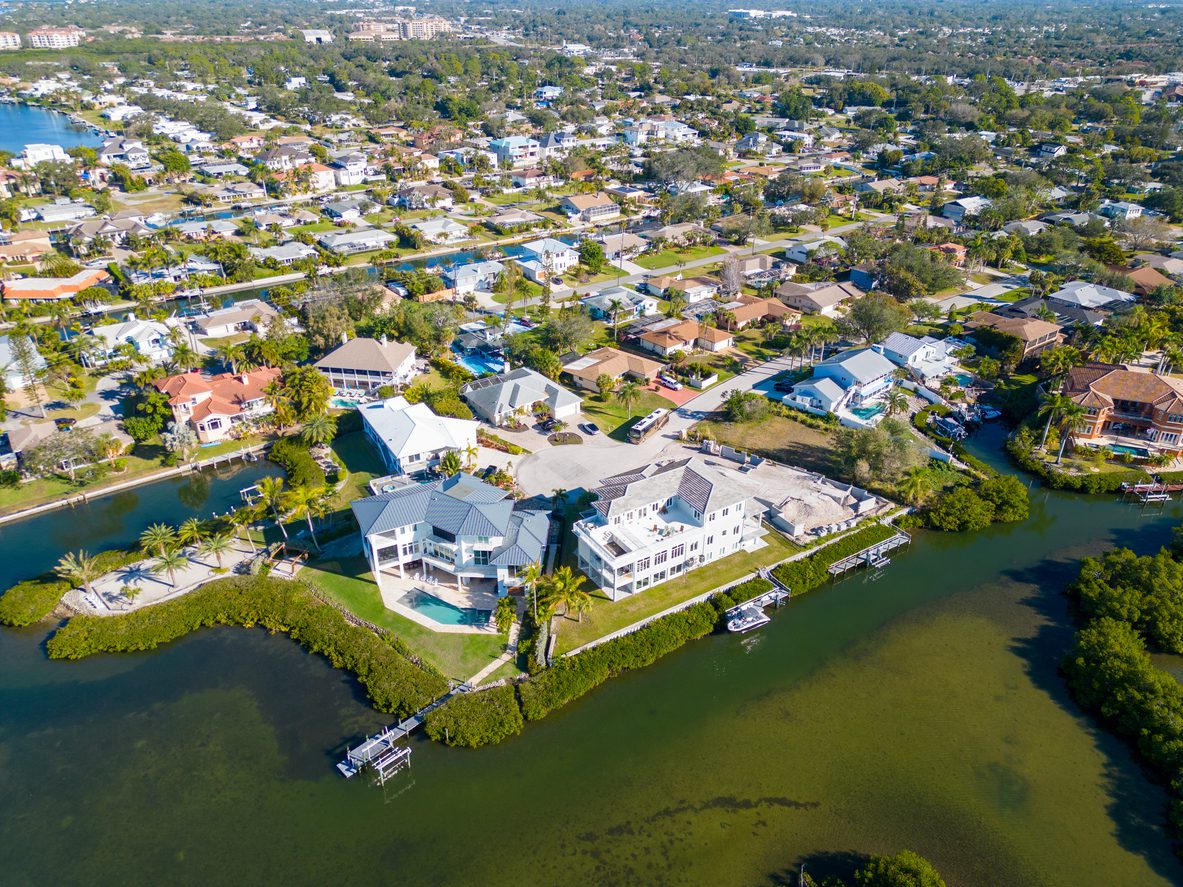
Every construction schedule has to respect the calendar, but on a barrier island the calendar is unusually busy. Peak tourist traffic crowds the bridges and beach roads during busy periods. Sea turtles nest on the beaches through much of the warm season. Summer brings frequent thunderstorms, and Atlantic hurricane season runs from June through November. A Custom Home Builder Siesta Key Homeowners Trust plans around these rhythms, not against them, and that planning often determines whether a project progresses smoothly or repeatedly loses time.
This guide explains how seasonal conditions shape a Siesta Key project: how tourist traffic affects deliveries and crews, how nesting season influences lighting and beachfront work, how the rainy season changes the sequencing of concrete and exterior work, how hurricane season shapes site security and scheduling, and how an experienced builder should create a calendar that accounts for each constraint from the first day.
Why the Calendar Matters So Much for a Custom Home Builder Siesta Key Projects Depend On
On an inland lot, a builder can often move a delivery from Tuesday to Wednesday without major consequences. On Siesta Key, a missed delivery window can mean additional bridge traffic or rescheduling work that depends on a narrow weather window. Because the island has limited access, timing carries real weight. A Custom Home Builder Siesta Key clients rely on schedules deliveries and crews with island conditions in mind and communicates those plans clearly.
The calendar also affects cost. Rushing work to beat a storm, paying overtime to recover from delays, or replacing materials damaged by weather can all add expense. Planning ahead reduces these risks and protects the budget.
Homeowners beginning a project can also review Axelle Builders’ experience with custom home construction on Siesta Key before developing the construction schedule.
Tourist Season: Traffic, Parking, and Neighbor Relations
Siesta Key is a popular destination, and visitor traffic can be heavy during peak periods. Roads near the beach and Siesta Key Village can become congested, parking may be limited, and bridge traffic can slow deliveries. A builder should coordinate larger deliveries, including concrete trucks, trusses, cranes, and other equipment, around expected traffic and site-access conditions whenever practical.
Crew parking also needs a plan. Workers cannot simply park wherever convenient because neighbors, visitors, available right-of-way, site constraints, and applicable local requirements all matter. Depending on the property, the project team may need to coordinate parking locations, stagger crew arrivals, or otherwise limit disruption. Clear communication with neighbors about construction activity, dust, noise, and schedules can also reduce unnecessary conflicts.
Sea Turtle Nesting Season: Lighting and Beachfront Considerations
Siesta Key’s beaches provide important nesting habitat for sea turtles during the warmer months. For Sarasota County beaches, sea turtle nesting season runs from May 1 through October 31. Artificial lighting visible from the beach can interfere with nesting females and hatchlings, so beachfront properties require careful lighting design.
A Custom Home Builder Siesta Key Homeowners Trust should confirm the rules applying to the specific parcel before exterior lighting, glazing, landscaping, or beachfront construction details are finalized. Homes near the beach may need wildlife-friendly exterior lighting, including appropriately shielded fixtures and lighting selected to minimize impacts on nesting turtles. Interior lighting visible from the beach may also need to be considered as part of the design. Planning these details early prevents lighting compliance from becoming a late-stage correction.
Rainy Season: Sequencing Concrete, Framing, and Exterior Work
Southwest Florida’s wetter months bring frequent thunderstorms that can interrupt exterior construction. Concrete placement, framing, waterproofing, excavation, exterior coatings, and other weather-sensitive work all require careful sequencing. A builder should watch conditions closely, plan vulnerable activities around realistic weather windows, and protect work when storms arrive.
Roofing and exterior-envelope work benefit from the same approach. Getting the structure dried in efficiently helps protect interior materials and reduces unnecessary moisture exposure. Coordinating roofing, windows, doors, flashing, and waterproofing as a complete building-envelope strategy can help the project transition toward interior work even when afternoon weather becomes less predictable.
Hurricane Season: Site Security and Flexible Scheduling
Atlantic hurricane season officially runs from June 1 through November 30, according to the National Hurricane Center. A responsible builder should maintain a storm-preparedness procedure covering loose materials, equipment, temporary structures, drainage, site documentation, and the safe resumption of work after severe weather. Cranes, scaffolding, stored materials, temporary fencing, and partially completed structures require particular attention when strong winds threaten.
Scheduling should also include flexibility. A strong Custom Home Builder Siesta Key owners work with will explain how weather contingencies are handled and how a significant storm may affect upcoming milestones. Owners should also understand builder’s risk insurance responsibilities under the construction agreement and know how a construction-phase loss would be addressed.
Building a Season-Aware Master Schedule
A good master schedule starts with the desired completion period and works backward through critical milestones. It identifies when permits need to be available, when foundations and structural work are expected, when the building should be dried in, and when interior finishes can proceed. It should also account for long lead times on windows, doors, cabinetry, specialty products, and custom materials.
The schedule should be shared with the owner and updated regularly. A Custom Home Builder Siesta Key Homeowners Trust should explain not only target dates but also the dependencies behind them, so homeowners understand why one delayed activity can influence several later trades. A project beginning in late spring, for example, may face a different weather sequence than one starting during the drier part of the year.
Permitting and Approvals in the Calendar
Permitting timelines influence when construction can actually begin. Coastal or beachfront properties may involve additional review, while floodplain, structural, environmental, and wind-design requirements can add coordination steps before construction. Starting early creates room for agency comments and necessary revisions.
Seasonal considerations can interact with those approvals as well. Sarasota County identifies May 1 through October 31 as the local marine turtle nesting season and advises limiting artificial lighting that can affect nesting beaches. Sarasota County sea turtle guidance
For certain coastal work, state permit conditions can also restrict equipment, material storage, and temporary construction lighting seaward of coastal controls during nesting season unless specifically authorized. Identifying these requirements during planning is far better than discovering them after a seasonal window has already affected the schedule.
Communicating Schedule Changes Without Surprises
Even the best plan meets the unexpected. A tropical system may interrupt work, a delivery may arrive damaged, an inspection may be rescheduled, or a specialty product may take longer than expected. What matters is how quickly the builder communicates the change. Clear updates help owners understand both the impact and the next steps.
Owners should receive prompt notice when a meaningful delay affects the schedule, an explanation of the cause, and an updated plan showing the effect on upcoming milestones. A written log of weather days and other delays helps everyone understand where time was lost and reduces disagreement later.
A dependable builder keeps this information current and distinguishes unavoidable delays from issues that could reasonably have been prevented. That transparency gives owners better information for planning movers, furniture deliveries, travel, or the transition from another residence. Finally, build some flexibility into personal plans and treat the target completion date as a goal supported by a realistic range rather than committing to major events or lease deadlines too early.
Questions to Ask a Builder About Seasonal Planning
How does the builder schedule deliveries during high-traffic periods, and where will crews park? For this property, how do marine turtle nesting requirements affect lighting and beachfront activity? How are concrete, framing, roofing, and exterior work scheduled around wetter weather, and what procedures guide hurricane preparation?
Also ask for examples of previous projects affected by weather and how the team adjusted the schedule. Homeowners interviewing a builder should expect specific, experience-based answers rather than broad assurances that weather will simply be managed.
Frequently Asked Questions About Seasonal Planning With a Custom Home Builder Siesta Key Residents Hire
When is the best time of year to start building on Siesta Key?
There is no single best month for every project. The right start date depends on permitting, design readiness, long-lead materials, site conditions, and the sequence of structural and exterior work. A season-aware schedule should evaluate those variables together rather than choosing a start date based only on weather.
How does sea turtle nesting season affect construction?
Sarasota County’s sea turtle nesting season runs from May 1 through October 31. Lighting visible from nesting beaches requires particular attention, and some beachfront activities may be subject to additional environmental or permit conditions. The exact requirements should be confirmed for the parcel and proposed work.
Does rainy season delay a home build?
It can, particularly when weather affects concrete, excavation, framing, roofing, coatings, or other exterior activities. Good sequencing, protection of exposed work, and an efficient dry-in strategy can reduce the schedule impact.
What happens to my project during a hurricane?
A responsible builder follows a storm-preparedness process to secure the site before severe weather and assess conditions afterward. The National Hurricane Center defines Atlantic hurricane season as June 1 through November 30, so projects active during that period should account for storm preparation in the schedule. Owners should also understand builder’s risk coverage and how post-storm schedule changes will be communicated.
How does tourist traffic affect deliveries on the island?
Heavy traffic can make deliveries and crew movement less predictable. Large equipment and material deliveries should be coordinated around expected site-access conditions whenever practical, while crew parking and staging areas should be planned in advance. This helps reduce delays and access problems instead of leaving important logistics to chance.
Building on Siesta Key With Axelle Builders
Axelle Builders has spent more than 36 years designing and building custom homes across Southwest Florida’s coastal communities, including Siesta Key, with our Sarasota office located just across the water.
As a Custom Home Builder Siesta Key Homeowners Trust, we plan projects around island access, nesting season, wet-weather conditions, hurricane preparation, permitting, and long-lead materials so the construction schedule reflects the realities of building on a barrier island.
If you are comparing builders, ask how seasonal conditions affect the master schedule. A realistic schedule should explain when each phase will occur, why the team chose that sequence, and what happens when weather or another constraint changes the plan. The builder should have a clear process for adjusting the schedule and communicating those changes.
Ready to plan a Siesta Key home with a team that understands how the island’s seasons affect construction? Contact Axelle Builders or call (941) 713-2303 to schedule a consultation.
Axelle Builders, 1960 Stickney Point Rd Suite 206, Sarasota, FL 34231. Serving Siesta Key, Sarasota, Longboat Key, Casey Key, Manasota Key, Anna Maria, Holmes Beach, St. Pete Beach, and the surrounding Southwest Florida coast.