
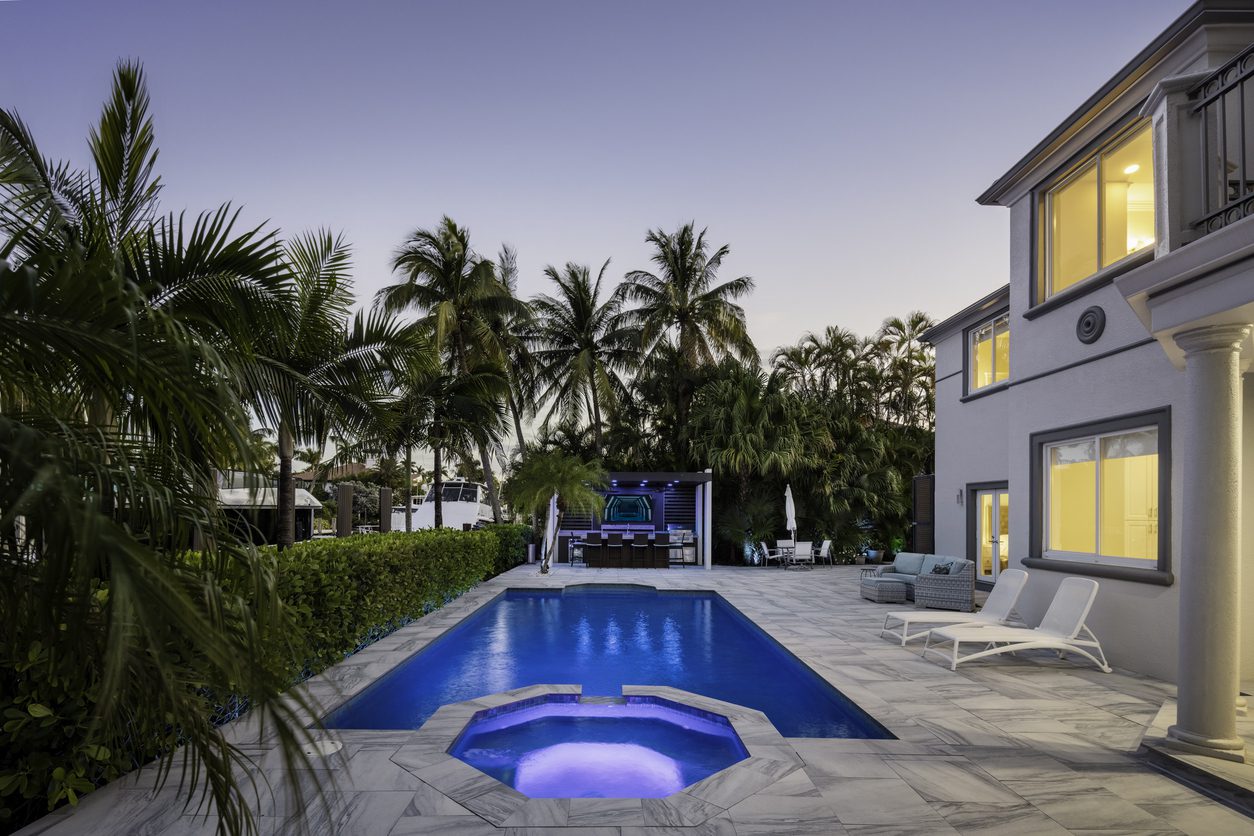
Almost every future homeowner asks the same first question: what will it cost? The honest answer is that a custom home does not have a single price, because every home is different. What matters more than any headline number is understanding what the budget includes, what it leaves out, and how each category behaves as the project develops. A Custom Home Builder Sarasota Buyers Rely On explains these pieces clearly, so the final number holds fewer surprises.
This guide breaks a custom home budget into its main parts: land and site costs, soft costs such as design and permits, the hard costs of construction itself, the items owners commonly forget, and the reserves that protect the project. It also explains what drives costs up or down in Sarasota, how budgets evolve through design, and what to ask when comparing a Custom Home Builder Sarasota owners are considering.
Why a Single Price Per Square Foot Rarely Tells the Truth
Square-foot figures circulate widely, and they are tempting because they are simple. They are also misleading. Two homes of the same size can differ enormously in cost depending on site conditions, structure, finishes, glazing, outdoor living space, and required elevation. Averages blend very different projects together, so they rarely match a specific plan.
A better approach is to build a budget from the ground up for the actual design. A builder should start with a preliminary estimate based on the program and site, then refine it as drawings, specifications, engineering, and selections develop. Each refinement replaces assumptions with better information, making the budget more reliable over time.
Homeowners beginning this process can also review Axelle Builders’ experience with custom home building in Sarasota before comparing proposals.
Land and Site Costs: The Foundation of the Budget
The lot is only the beginning. Site work can include clearing, grading, fill, drainage, utility connections, septic or sewer tie-ins, tree protection, demolition, retaining work, or seawall-related improvements. Some lots require relatively little preparation, while others need substantial work before construction can begin. A site evaluation before purchase helps reveal these costs.
Flood conditions and elevation requirements also influence site cost. Raising a home on an elevated foundation, adding fill where permitted, or using engineered systems can materially affect the budget. A Custom Home Builder Sarasota owners hire should review the survey, flood information, site access, and available geotechnical information early and include realistic site assumptions in the preliminary budget.
Soft Costs: The Expenses Outside the Construction Contract
Soft costs are the professional and administrative expenses surrounding construction. They can include architectural and engineering fees, interior design, landscape design, surveys, soil testing, permit fees, impact fees, legal costs, financing costs, and other professional services. Many owners underestimate this category because the expenses are spread across different vendors and phases.
Permit and impact fees vary by jurisdiction and project. Sarasota County maintains a formal impact-fee administration process, and assessments depend on the applicable project and adopted fee schedules rather than a single universal amount. A Custom Home Builder Sarasota Buyers Rely On should help estimate these soft costs even when they are paid directly to other professionals, because the homeowner needs a complete project budget rather than only a construction-contract number.
Hard Costs: What Goes Into the Construction Itself
Hard costs cover the physical building. They include foundations, structure, framing, roofing, windows and doors, exterior cladding, plumbing, electrical, HVAC, insulation, drywall, interior finishes, cabinetry, countertops, flooring, tile, fixtures, appliances, and other installed components. Each category contains choices that can move the budget significantly.
In a coastal market, certain items can carry higher costs, including impact-resistant openings, engineered structural systems, elevated foundations, corrosion-resistant materials, and components designed for wind exposure. Florida’s product approval system includes performance information for windows and doors, including impact resistance, design pressures, approved configurations, and installation requirements, illustrating why product selection is tied directly to structural performance rather than aesthetics alone.
A builder should show where these items appear in the estimate so the homeowner can see how performance requirements affect the total.
Allowances: Placeholders That Need Honest Numbers
An allowance is a budgeted amount for something not yet fully selected, such as tile, lighting, plumbing fixtures, appliances, cabinetry, or decorative hardware. Allowances are useful, but they can create false confidence if they are set unrealistically low. A low allowance can make a proposal appear less expensive without changing what the homeowner will eventually spend once actual selections are made.
Protect the budget by pricing likely selections before signing. Visit showrooms, request quotes, and compare those numbers with the allowance figures in the proposal. Ask whether each allowance includes installation, freight, tax, accessories, and related labor. A transparent Custom Home Builder Sarasota Buyers Rely On should welcome this review and help replace placeholder numbers with realistic expectations.
The Items Owners Commonly Forget
Several expenses often fall outside the main construction contract and catch owners off guard. Landscaping, irrigation, pools, outdoor kitchens, fencing, gates, driveways, window treatments, furniture, audiovisual equipment, security systems, moving costs, temporary housing, and carrying costs may all require separate budgeting.
Make a list of everything you expect to have in the finished home and confirm whether each item is included in the construction contract, included in another budget, or still unplanned. That exercise turns a construction estimate into a more realistic picture of the total cost of moving into the finished home.
Contingency and Reserves: Planning for the Unknown
Even carefully planned projects can encounter unexpected conditions. Site discoveries, material changes, supply disruptions, design refinements, and owner-requested upgrades can all affect cost. A contingency reserve provides financial flexibility when something changes. The appropriate amount depends on how complete the design is, how complex the property is, and how much uncertainty remains.
It is also useful to separate true contingency from an owner-upgrade reserve. Many homeowners decide during construction to improve certain finishes or features after seeing them in context. Keeping a separate reserve allows those choices to be made deliberately rather than using funds intended for genuine unknowns.
How the Budget Evolves Through Design
Budgets develop in stages. A concept estimate helps test basic feasibility. A schematic estimate reflects the emerging floor plan and major systems. A design-development estimate uses more detailed drawings and preliminary selections. The final contract price is based on substantially complete documents, defined scope, and clearer allowances.
At each stage, the builder and owner should compare the estimate with the target budget. If adjustments are needed, they are easier to make while the design is still developing. This process is often called value engineering, though the goal should be to preserve the features that matter most rather than simply remove cost everywhere.
Involving a builder early makes these decisions less painful because changes made on paper are generally easier than changes made after construction begins.
Contract Structures and Cost Transparency
Builders may use different pricing structures, including fixed-price contracts or cost-plus arrangements, sometimes with a guaranteed maximum price. Each approach allocates risk differently. A fixed price can provide greater predictability when the scope is clearly defined, while cost-plus can provide visibility into actual project costs but requires disciplined documentation and reporting. Neither approach is automatically better for every project.
Whatever the structure, ask for regular cost reports showing the original budget, approved changes, amounts billed, remaining commitments, and current projected total. A Custom Home Builder Sarasota owners can count on should make the financial position understandable throughout construction rather than only at contract signing.
Questions to Ask When Comparing Builders on Cost
What exactly does the estimate include and exclude? How were allowances established, and do they cover installation, freight, taxes, and related work? Does the estimate account for site work, flood conditions, elevation, structural requirements, and coastal materials? Which soft costs are included in the estimate, and which fall outside the builder’s contract? When contingency funds are needed or changes arise, how are they managed and priced?
For exterior products such as windows and doors, ask how applicable Florida product approvals, impact requirements, allowable sizes, and design pressures are verified. Florida Building Commission product approvals document these limitations on a product-by-product basis.
Comparing proposals line by line is more useful than comparing only the bottom-line number. The real difference between two estimates is often hidden in scope, allowances, exclusions, assumptions, and performance specifications.
Frequently Asked Questions About Budgeting With a Custom Home Builder Sarasota Owners Hire
Why can’t a builder give an exact price before design is finished?
Because the price depends on drawings, engineering, specifications, selections, site conditions, and scope that are still evolving. Early estimates are planning tools that should become more precise as more information becomes available.
What are soft costs?
They are expenses outside the direct physical construction of the house. They can include architecture, engineering, surveys, soil testing, permits, impact fees, interior design, landscape design, financing, and other professional services. And they should be included when evaluating the total project budget.
How much contingency should I plan for?
There is no single percentage that fits every project. The appropriate reserve depends on design completeness, site complexity, procurement risk, existing conditions, and the owner’s tolerance for uncertainty. Ask the builder to explain the recommendation for your specific project rather than relying on a generic rule.
Why are allowances important?
Allowances are placeholders for items that have not yet been fully selected. If they are too low, the proposal may look attractive while the real project cost rises later. Realistic allowances help keep the working budget aligned with the homeowner’s actual expectations.
What items do owners commonly forget to budget?
Homeowners often overlook landscaping, pools, and outdoor kitchens. Furniture, window treatments, audiovisual systems, and security can also add significant costs. Moving expenses and temporary housing may increase the budget. Carrying costs can also continue during construction. A detailed preconstruction budget should address every major item. Clearly identify each one as included, excluded, or handled separately.
Building With Transparency at Axelle Builders
Axelle Builders has spent more than 36 years designing and building custom homes across Southwest Florida. As a Custom Home Builder Sarasota Buyers Rely On, we focus on detailed estimates, realistic allowances, clear explanations of site and coastal requirements, and ongoing cost visibility so owners understand how their budget evolves from early planning through construction.
If you are comparing builders, ask each one to walk through the estimate line by line before comparing portfolios. A strong proposal should make it easy to understand what is included, what remains uncertain, where allowances are being used, and which decisions have the greatest effect on cost.
Ready to build a Sarasota budget around real project details instead of a generic square-foot number? Contact Axelle Builders or call (941) 713-2303 to schedule a consultation.
Axelle Builders, 1960 Stickney Point Rd Suite 206, Sarasota, FL 34231. Serving Sarasota, Siesta Key, Longboat Key, Casey Key, Manasota Key, Anna Maria, Holmes Beach, St. Pete Beach, and the surrounding Southwest Florida coast.