
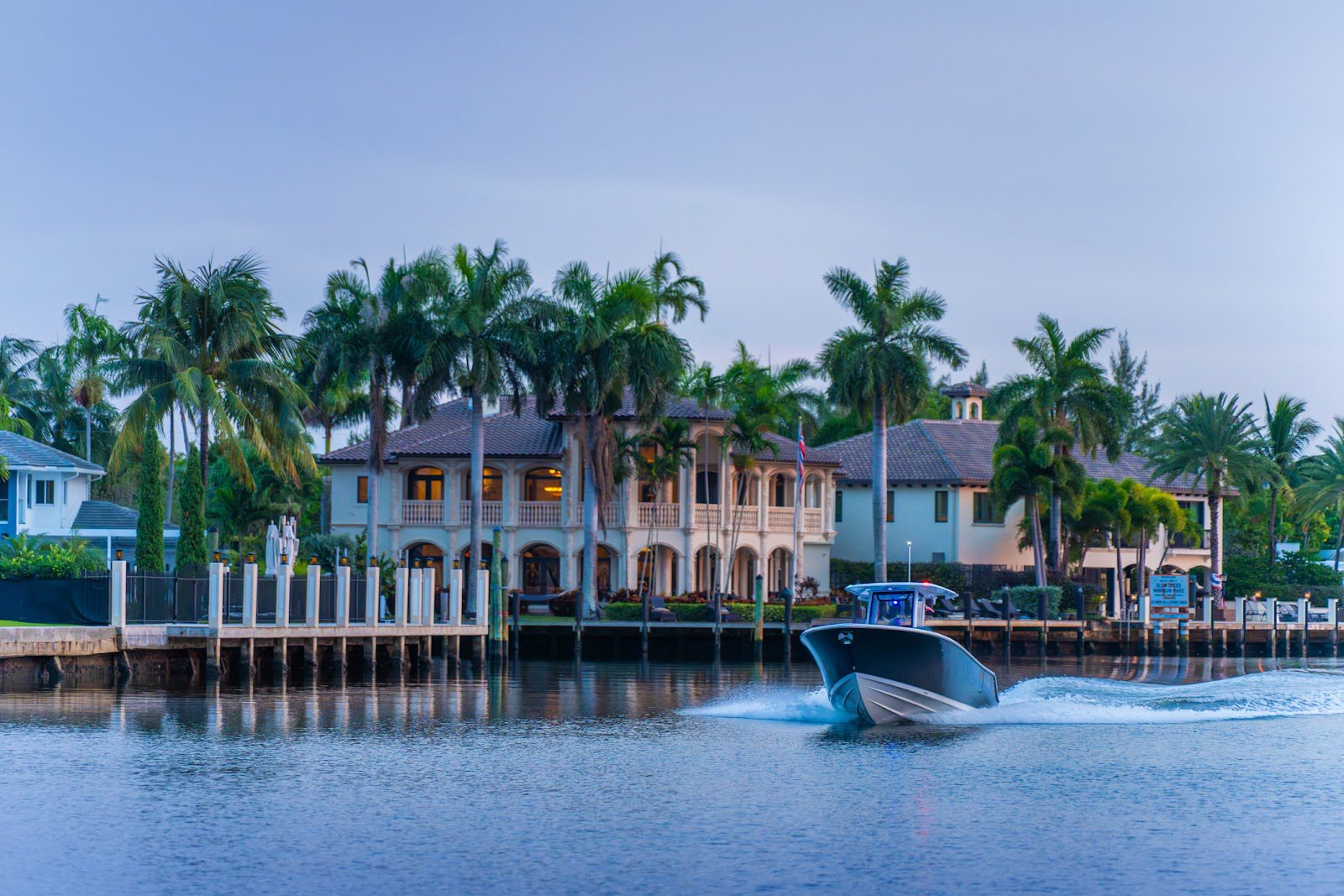
Building next to water changes how construction itself is done, not only how the finished home looks. When building on a waterfront lot, equipment must reach the site without crossing fragile shoreline, crews must stage materials on tight lots, tides and weather affect schedules, and the water itself must be protected from silt, spills, and debris. A waterfront custom home builder who has managed these challenges many times knows how to keep a project safe, compliant, and on schedule.
This guide explains how construction works at the water’s edge: how crews plan access and staging, when marine contractors use barges and equipment, how they build seawalls and shoreline structures, how they control erosion and turbidity, how wildlife protections affect in-water work, how teams manage safety, and how your builder coordinates the many specialists involved.
Why Waterfront Construction Is a Specialty
A typical lot offers open access, stable ground, and room to work. A waterfront lot may have limited street frontage, soft soil near the shoreline, narrow side yards, and a boundary formed by water on one side. Any spill, sediment, or debris that reaches the water can create environmental and legal problems.
These conditions require planning and experience. An experienced builder develops a site-specific logistics plan before work begins, considering access routes, staging areas, crane locations, delivery times, and protection measures. This planning reduces delays and protects relationships with neighbors and regulators.
Site Access and Staging on Tight Lots
Waterfront parcels are often long and narrow, with the house toward the road and the water at the rear. Large trucks, concrete pumps, and cranes need room to maneuver, and there may be little space to store materials. Neighbors’ properties, seawalls, and overhead power lines add constraints.
Careful sequencing helps. The builder schedules deliveries to arrive just in time, stores materials in organized areas, and plans equipment positions in advance. Temporary measures such as protective mats or limited-access routes prevent damage to landscaping and drainage. Your builder should walk the site with key subcontractors before mobilizing, so everyone understands the plan.
When Barges and Marine Equipment Are Used
Some waterfront sites are difficult to reach by land. Marine contractors may use barges to deliver materials, support cranes, and install seawalls, docks, or pilings from the water. Working from the water can reduce disturbance to the upland site, but it brings its own challenges, including tides, wakes, navigational hazards, and permit conditions.
Marine work requires specialized crews, insurance, and equipment. Your builder should coordinate with qualified marine contractors, confirm their licensing and coverage, and align marine work with the upland schedule. Timing matters, since tide and weather windows may limit when certain tasks can occur.
Building and Replacing Seawalls and Shoreline Structures
Seawalls and bulkheads hold back soil and protect the shoreline. Common materials include concrete, vinyl, aluminum, steel, and timber, each with different lifespans, costs, and installation methods. Construction often involves driving panels or piles, installing tiebacks or anchors, placing backfill, and capping the structure.
Because these structures interact with soil, groundwater, and tides, engineering is important. Most projects need permits, and permit conditions may address materials, dimensions, and protection of marine resources. Your builder should coordinate engineers, marine contractors, and inspectors, and sequence seawall work so it does not conflict with house construction.
Controlling Erosion, Sediment, and Turbidity
Rain can wash soil into the water, clouding it and harming aquatic life. Erosion and sediment controls, such as silt fences, staked barriers, stabilized construction entrances, and covered stockpiles, keep soil on site. Where in-water work occurs, crews may use turbidity barriers to contain suspended particles.
These measures are often required by permits and local rules, and inspectors may check them. They need regular maintenance, especially after storms. Your builder should assign responsibility for inspecting and repairing controls and keep records of inspections, which demonstrate compliance and protect the project.
Protecting Wildlife and Marine Resources
Florida’s waters support manatees, seagrass, fish, and birds, and in-water work may be subject to special conditions. Permits can require measures such as observers, speed limits, and avoidance of sensitive habitat. Timing restrictions may apply during nesting or migration periods.
Even upland activity can affect wildlife. Lighting, noise, and debris can disturb animals, and shoreline vegetation may be protected. A builder familiar with local conditions will review permit conditions with the crew, train workers on required practices, and plan work to minimize disturbance.
Preventing Spills and Managing Materials
Fuel, oil, concrete washout, paint, and other substances must never reach the water. Best practices include secondary containment for fuel, designated washout areas, spill kits on site, and careful handling procedures. Crews should collect and remove debris promptly, since wind can carry lightweight materials into the water.
Training and supervision are key. Your builder should ensure that all trades understand expectations and that a responsible person monitors compliance. Prompt reporting and cleanup of any incident are essential.
Safety on and Near the Water
Working near water introduces hazards such as slippery surfaces, drowning risk, unstable edges, and marine traffic. Fall protection, personal flotation devices where appropriate, and clearly marked work areas help protect workers. Weather can change quickly, and lightning is a serious danger on open sites.
Safety plans should address emergency response, including access for emergency vehicles. Your builder should maintain a written safety program, conduct regular meetings, and ensure subcontractors carry appropriate insurance. Safe sites are typically better organized, more productive, and less likely to face interruptions.
Utilities, Docks, and Coordination With the Home
Waterfront homes often include docks, lifts, lighting, and sometimes power and water at the dock. The team must plan conduits and pipes before crews install landscaping and hardscape, and electrical work near water has strict safety requirements, including ground-fault protection and corrosion-resistant materials.
Sequencing matters. Seawall work often comes first, followed by foundation and structure, then dock installation after heavy equipment traffic ends. The builder should maintain a master schedule that coordinates marine and upland trades, permits, and inspections.
Weather, Tides, and Hurricane Season Planning
Water-adjacent sites feel weather more directly. Wind picks up over open water, storm surge can inundate low areas, and heavy rain can quickly turn a muddy site into a runoff problem. Tide cycles also affect marine work, since low tide may expose areas that need to be reached and high tide may limit access under docks or bridges. Schedules should include weather days and flexibility for tidal windows.
Hurricane season requires a written storm plan. Crews must secure or remove loose materials, scaffolding, and equipment, protect open excavations and exposed structures, and inspect temporary barriers before and after storms. Your builder should communicate the plan to the owner, confirm builder’s risk insurance, and document site conditions with photographs before and after any significant event. Planning for these conditions protects both the project and the surrounding water.
Communication With Neighbors, Boaters, and Regulators
Waterfront projects are highly visible. Neighbors notice noise, dust, and deliveries, and boaters notice equipment, barges, and work platforms on the water. Clear communication builds goodwill. Notify neighbors of major activities such as pile driving, crane lifts, or concrete pours, provide a contact for concerns, and respect working hours.
Regulators may inspect sites at any time, so keep permits, approved plans, and inspection records organized and accessible. Marking work areas and posting required notices helps others understand what is happening. A builder who treats communication as part of the job prevents small complaints from turning into stop-work orders, and keeps the project moving smoothly from first excavation to final inspection.
Questions to Ask a Builder About Waterfront Construction
Ask how the builder plans access and staging on waterfront lots. Ask which marine contractors they use and how they verify licensing and insurance. Ask how the builder controls and documents erosion, turbidity, and spill risks. Ask how the team handles wildlife conditions. Ask for examples of similar projects and references.
When interviewing builders, expect detailed answers describing real procedures and past experiences rather than general reassurance.
Frequently Asked Questions About Hiring a Waterfront Custom Home Builder for Construction at the Water’s Edge
Why is waterfront construction more complicated than standard construction?
Limited access, soft soils, tides, environmental protections, and the need to keep sediment and spills out of the water all add complexity and require specialized planning.
Do waterfront builders use barges?
Sometimes. Barges can support cranes and deliver materials when land access is limited, but they require specialized crews and careful coordination.
What is a turbidity barrier?
It is a floating or staked curtain that contains suspended sediment during in-water work, helping protect water quality. Permits may require them.
How are manatees and other wildlife protected during construction?
Florida’s standard manatee protection conditions may require observers, speed restrictions, and avoidance of sensitive habitat. Your builder should review conditions with the crew.
When should seawall work happen?
Often early in the schedule, before heavy upland construction, though the best sequence depends on the site and permits.
Building at the Water’s Edge With Axelle Builders
Axelle Builders has spent more than 36 years designing and building custom homes across Southwest Florida’s waterfront communities. We plan access and staging carefully, coordinate marine specialists, maintain strong erosion and spill controls, and protect wildlife and water quality throughout construction.
If you are comparing builders, ask each one how they handle building on a waterfront lot before comparing portfolios. Review what our process includes on our services page, see completed work in the gallery, learn about our work across the region on our locations page, and find more building guidance on the Axelle Builders blog.
Ready to meet a waterfront custom home builder who understands the realities of building beside the water? Contact Axelle Builders or call (941) 713-2303 to schedule a consultation.
Axelle Builders, 1960 Stickney Point Rd Suite 206, Sarasota, FL 34231. Serving Sarasota, Siesta Key, Longboat Key, Casey Key, Manasota Key, Anna Maria, Holmes Beach, St. Pete Beach, Fort Myers, and the surrounding Southwest Florida coast.